jp en
menu

exhibition

Technofossil Archive

Geological strata were once formed by natural sediments such as the remains of living organisms, sand, and mud. Today, however, materials processed through human activity — including plastics, synthetic compounds, and industrial waste — are creating new layers upon the Earth’s surface.
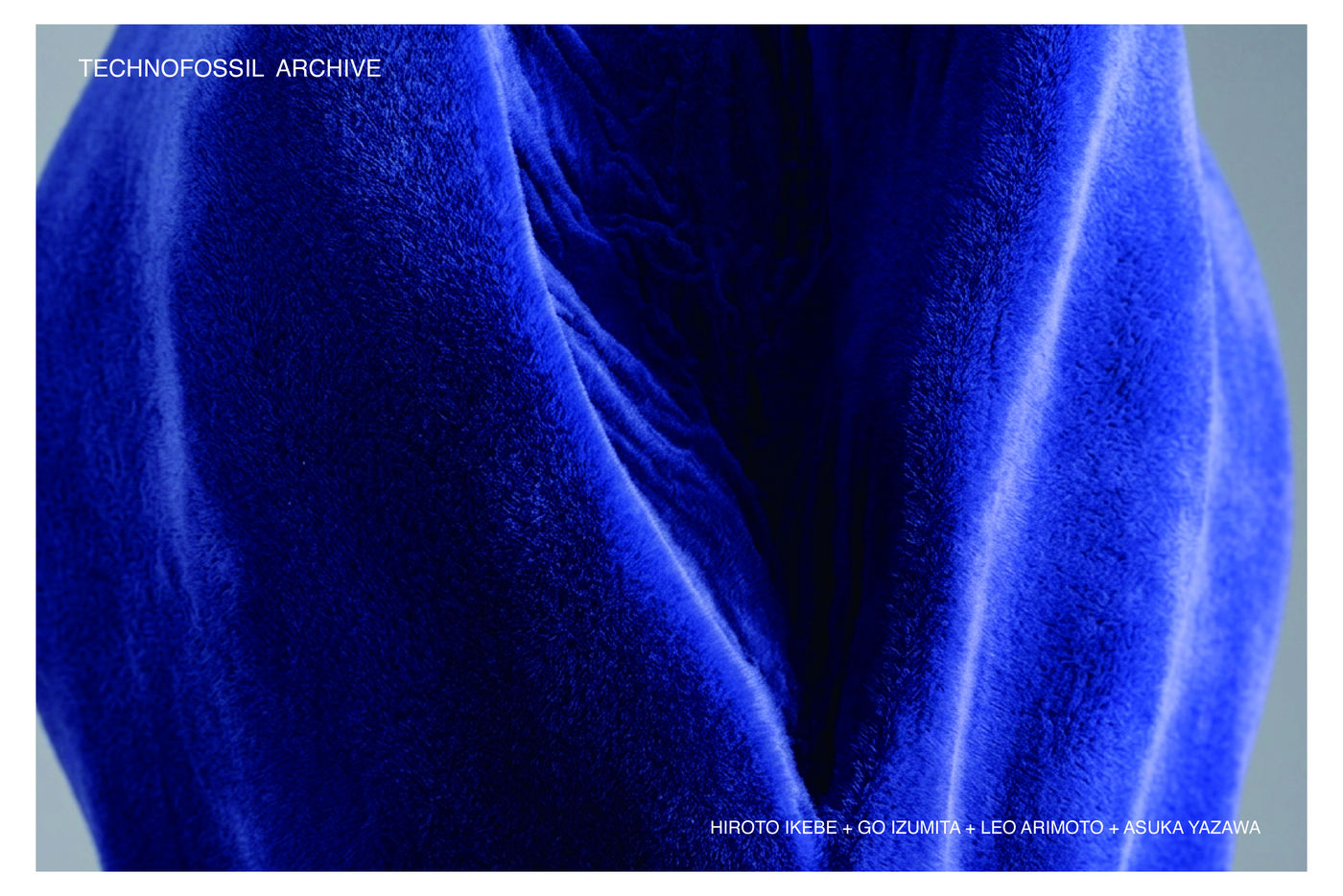
This project seeks to reinterpret these materials as “technofossils”: industrial fossils that may one day be excavated in the future. The concept originates from fieldwork at the ossuary in Hallstatt, Austria. Inspired by the practice of naming, decorating, and preserving the bones of the dead as part of a community’s collective memory, this project regards the materials consumed and discarded by contemporary society as a form of “remains,” collecting, wrapping, preserving, and recording them.
The minimal intervention of “wrapping” shifts these materials from objects of consumption into specimens to be passed on to the future. By designing the process of preservation itself, waste materials are given a new skin and a new temporal dimension, and are reconstructed as archives for future generations. This project proposes not only the preservation of individual materials, but also a new system of preservation and archival practice through which the traces of contemporary civilization can be carried into the future.
What kind of strata will we leave behind for the future?

overview

In this exhibition, everyday objects, architectural waste, and natural materials shaped by human activity — all consumed by contemporary society and having fulfilled their original roles — are collected and presented as specimens of “technofossils”: industrial fossils that may one day be excavated in the future.
The collected materials are wrapped through a distinctive craft-based process, taking on a new skin as they are transformed into subjects of preservation and documentation. Alongside the specimen works, the exhibition visualizes specimen data and research, composing the entire sequence of collection, preservation, classification, recording, and display as a single archive.
Through the exhibition space, visitors are invited to trace the process by which contemporary materials and the traces of human activity inscribed upon nature are passed on to the future, while experiencing the act of preservation itself.

member

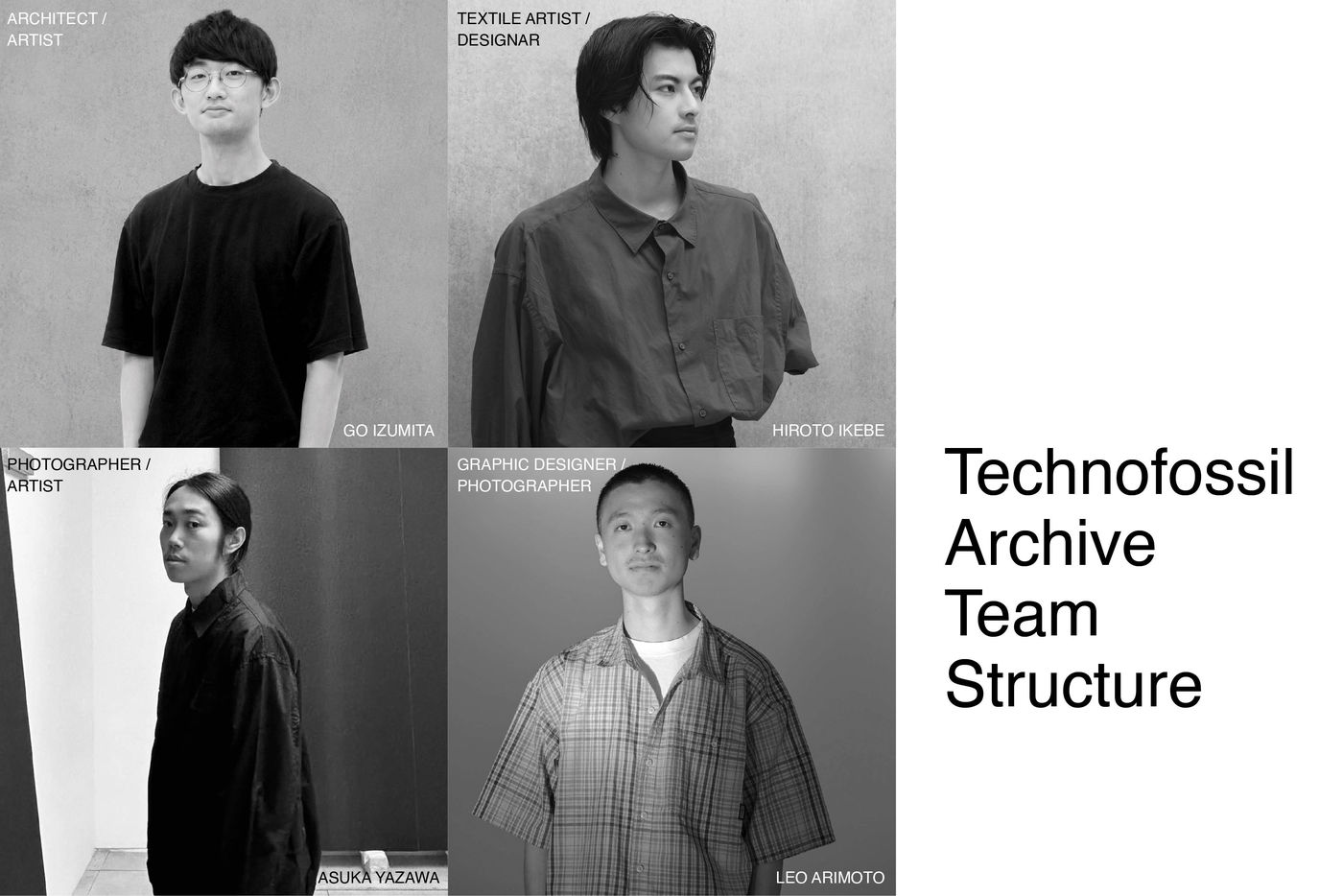
This project is carried out by a multidisciplinary team of four members specializing in textile design, architecture, photography, and graphic design. Grounded in fieldwork, the team works across their respective disciplines to integrate every stage of the process—from material collection, preservation, and transformation to photographic documentation, information design, and exhibition spatial design.
By interpreting the traces and memories embedded within materials and reconstructing them as archives to be passed on to future generations, the project explores new approaches to preservation and archival practice in contemporary society. Through interdisciplinary collaboration, it reconsiders the relationships between materials and time, people and the environment, while proposing new possibilities for the material culture we leave behind for the future.