Over 50 Creators Participate! 11 Projects Exploring New Possibilities in Product Design
At alter., 11 projects selected through committee review will be on display. Each project brings together creators from diverse fields beyond product design—photographers, dancers, architects, and more—totaling over 50 participants. How will these creators, each with different backgrounds and practices, present their work at alter.? As the opening approaches, we introduce all 11 projects.
ALL CLAMP
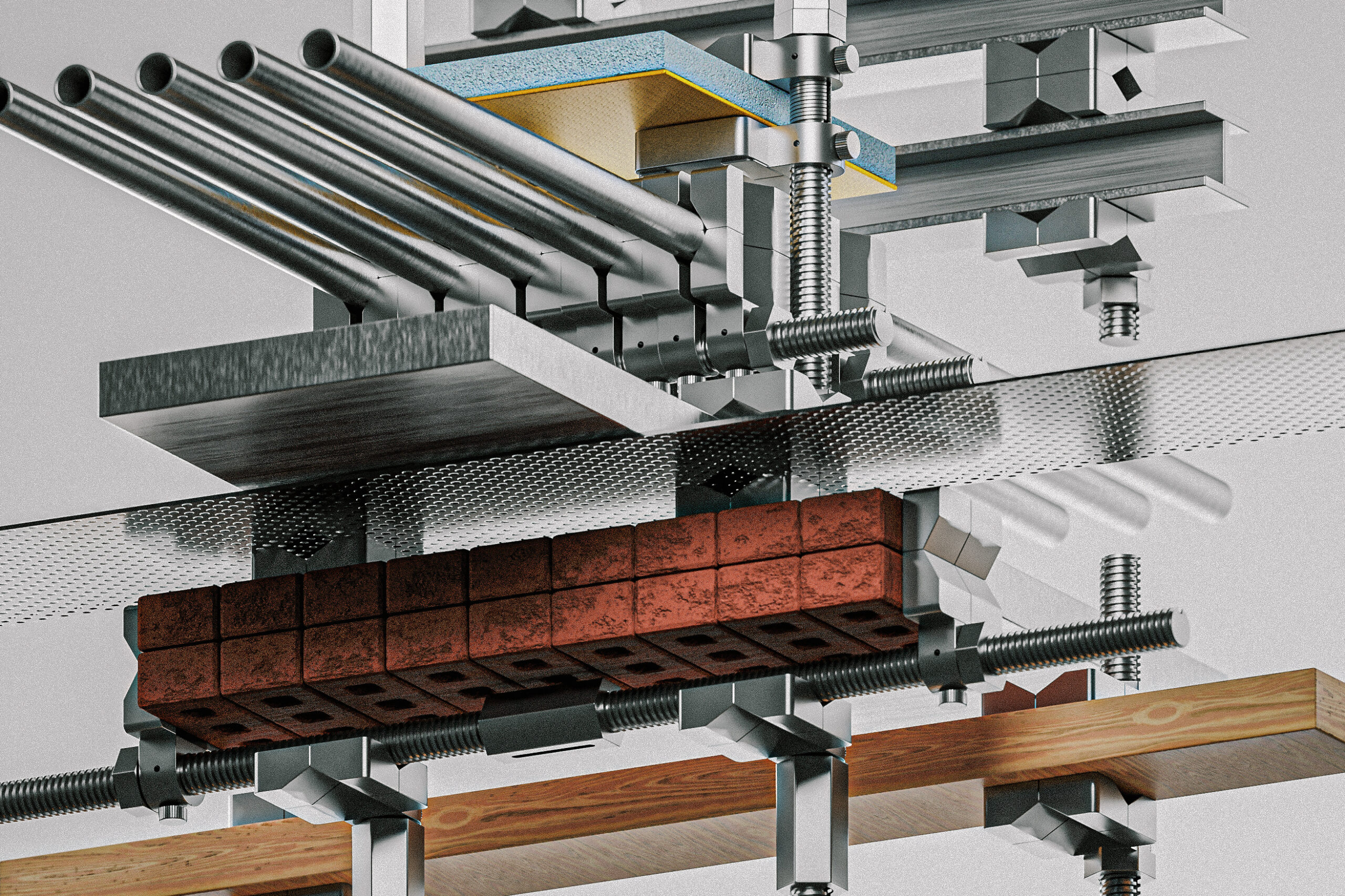
This project by the collective “function”—including Yuta Itagaki, who leads the creative production company “KIENGI,” and designer/artist Takuto Ota—focuses on clamps frequently used on film sets. The ALL CLAMP system connects materials of different origins and contexts—wood, metal, salvaged materials, ready-made products—to create various products such as furniture and fixtures. In the presentation, partitions, lighting, and signage are all constructed using this clamp system, with components to be disassembled when the exhibition concludes. Rather than generating new “forms,” this project creates new meanings and functions by reorganizing “relationships,” expanding design possibilities through the primitive act of “gripping.”
Bent Pipe Clamp
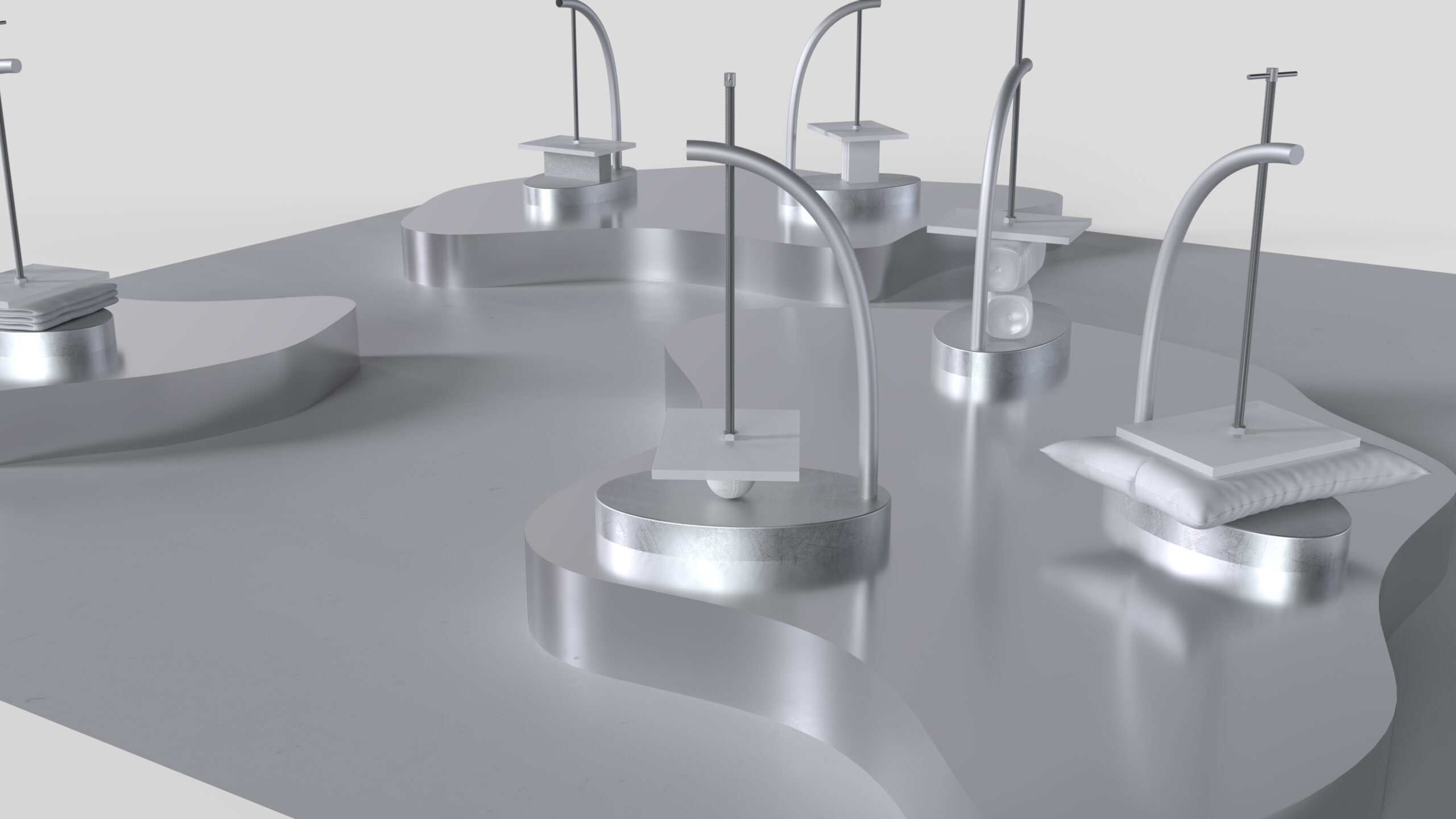
The “Bent Pipe Clamp” project brings together photographer Kohei Kawatani, sculptor Asako Ishizaki, and curator Chikei Hara to create stands from a perspective different from conventional product design, using clamps as a starting point. This product features a vertically moving shaft that allows various items to be loosely secured. By clamping objects, it produces a framing effect similar to photography while functioning like a sculptural pedestal. At the venue, familiar everyday objects such as pillows and balls will be displayed in their clamped state. Through this clamping action, visitors will witness how familiar objects become incorporated into photographic and sculptural presentations.
Doji Fetish performance
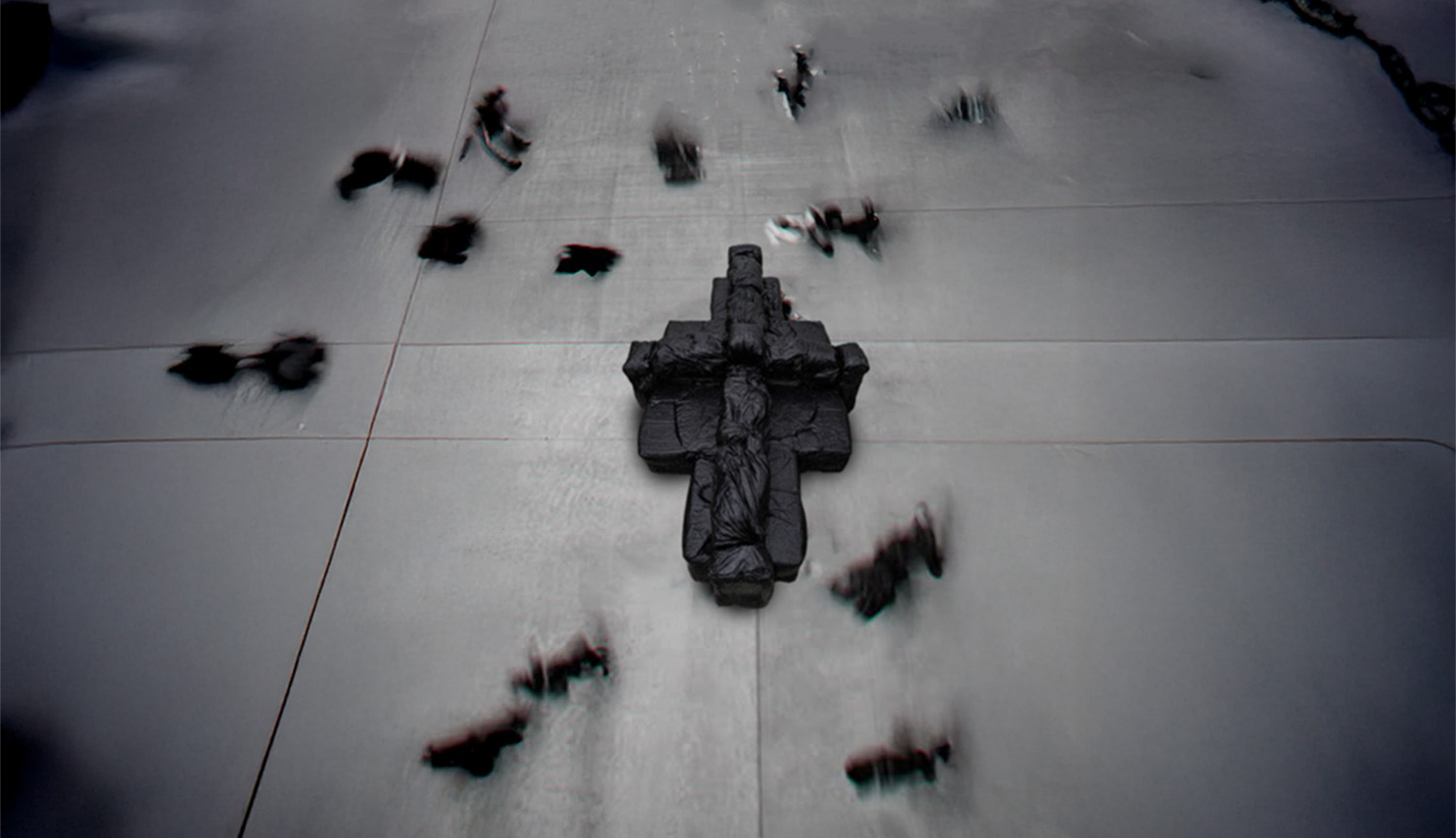
Doji Fetish performance proposes an interactive product in which artists working with music and video collaborate with DODI, led by Tatsuki Sugino, building upon the studio’s furniture works. The sofa, filled with soft polyurethane foam, bears traces such as handprints and sweat, making viewers acutely aware of the presence and passage of time of others who may have once sat there. The sofas at the venue incorporate mechanisms that trigger interactions with visitors, blurring the boundaries between self and other, subject and object, creating an experience in which visitors themselves temporarily become furniture.
HAMA Reimagined
Photographer:壱岐成太郎
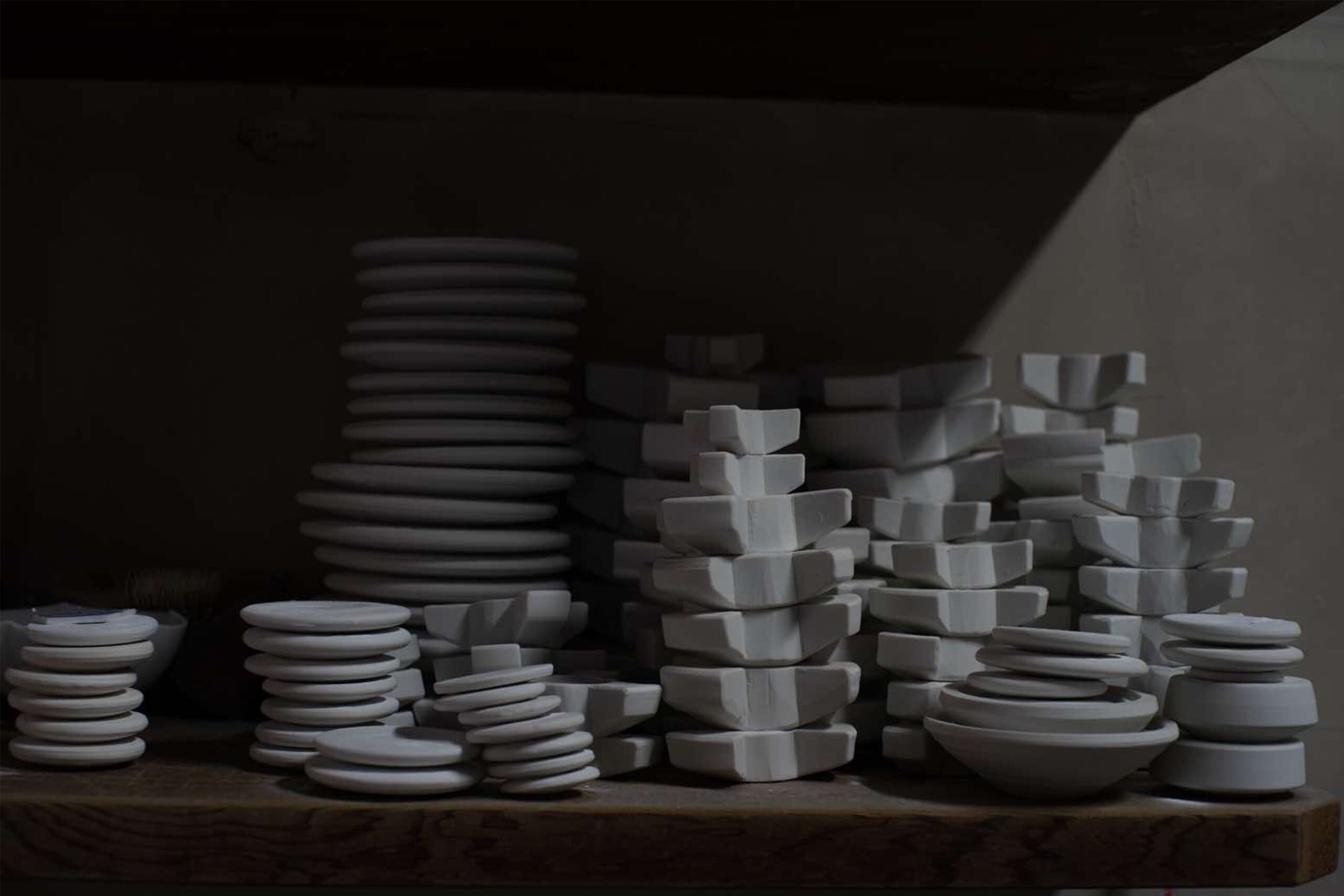
The “HAMA Reimagined” project, led by textile designer Hana Mitsui with five other creators, redesigns “hama”—pedestals used to support vessels during porcelain firing—as standalone products. Since hama vary in shape depending on the vessel, they are handmade each time. While highly durable and resistant to shrinkage, they are difficult to process, prompting a search for reuse methods. This project invites Arita ware artists as members and presents new ways to utilize hama through reinterpretation. It’s an initiative to establish new circulation for previously discarded hama, bringing overlooked products into the spotlight.
Live Phenomenon
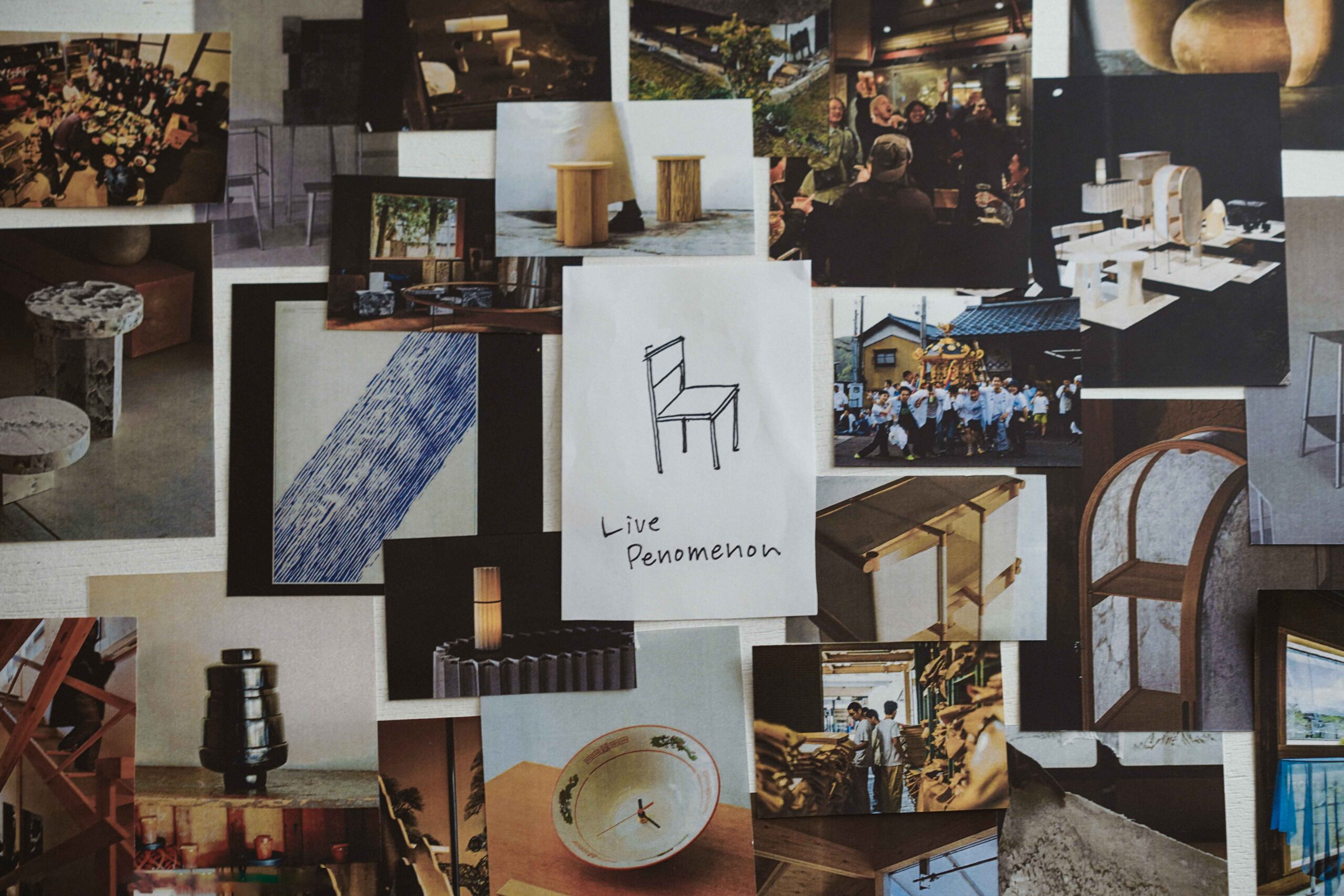
The “Live Phenomenon” project involves nine creators from two collectives with different backgrounds: “Sen,” a Fukui-based team exploring new value through regional culture and materials, and “SIBO,” based in Kyoto. Rather than limiting themselves to urban contexts, they emphasize local climate, landscapes, materials, and human relationships. They’ve named their creative approach “Live Phenomenon”—a form of creation that is rooted in place, autonomous like cells, yet generates chain reactions. For this exhibition, chairs serve as the primary product, displayed alongside photographs reflecting the inner landscapes of the places where the creators live, constructing the space itself as a single cohesive landscape. This presentation also demonstrates the value of creativity connected to regional communities.
OMOIYARI PROJECT
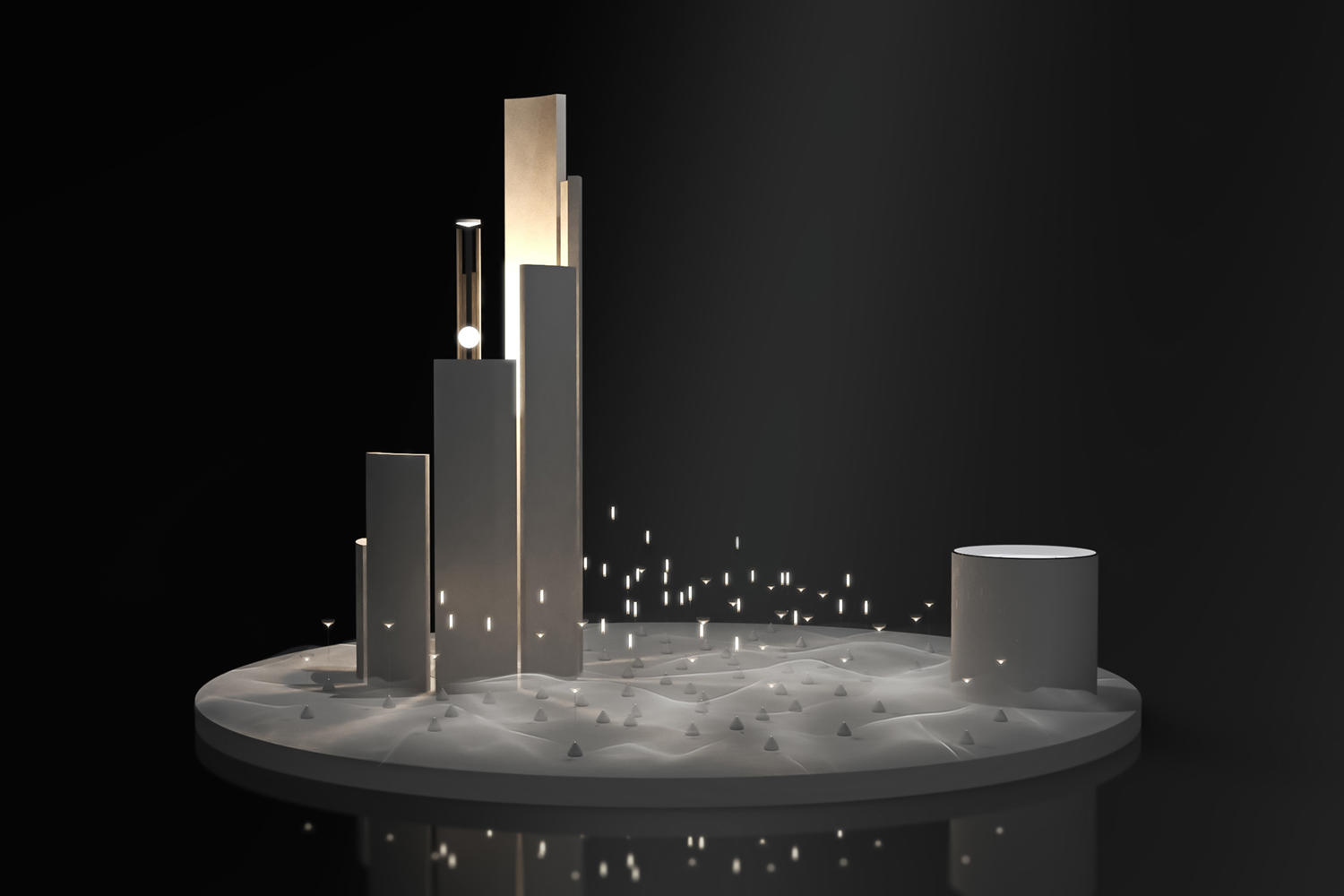
This project, led by industrial designer Jun Takano with participation from medical device product designer Masashi Usami and interior designer Naohide Inagaki, presents lighting inspired by the medical device “stent.” Stents, made of precisely processed stainless steel mesh, are normally used exclusively in medicine, but this project recognizes their aesthetic value as products. Drawing inspiration from the “compassion” (omoiyari) embedded in medical devices created to save lives, the team has developed multiple lighting installations. The venue will feature works imbued with the gentleness of compassion—pieces using stents as material, artificial flowers inspired by their beauty, and lighting symbolizing the pulse and breath of life.
packing list

This project, led by the design collective “MULTISTANDARD” centered on Ryota Akiyama, examines transport and packaging as acts of design. When transporting valuable items such as artworks, custom boxes are often created through precise measurements to prevent damage, yet such packaging rarely receives attention. However, historically, packaging has held significance beyond merely protecting contents—for instance, when ceramics were exported from Japan in the 19th century, ukiyo-e prints were used as cushioning material, inadvertently introducing new artworks to foreign audiences through packaging. This exhibition presents the transportation system itself as part of the manufacturing process, focusing on B2B transport formats and the historical context of distribution.
POETIC PROTOTYPING -Forms of Invisibility-
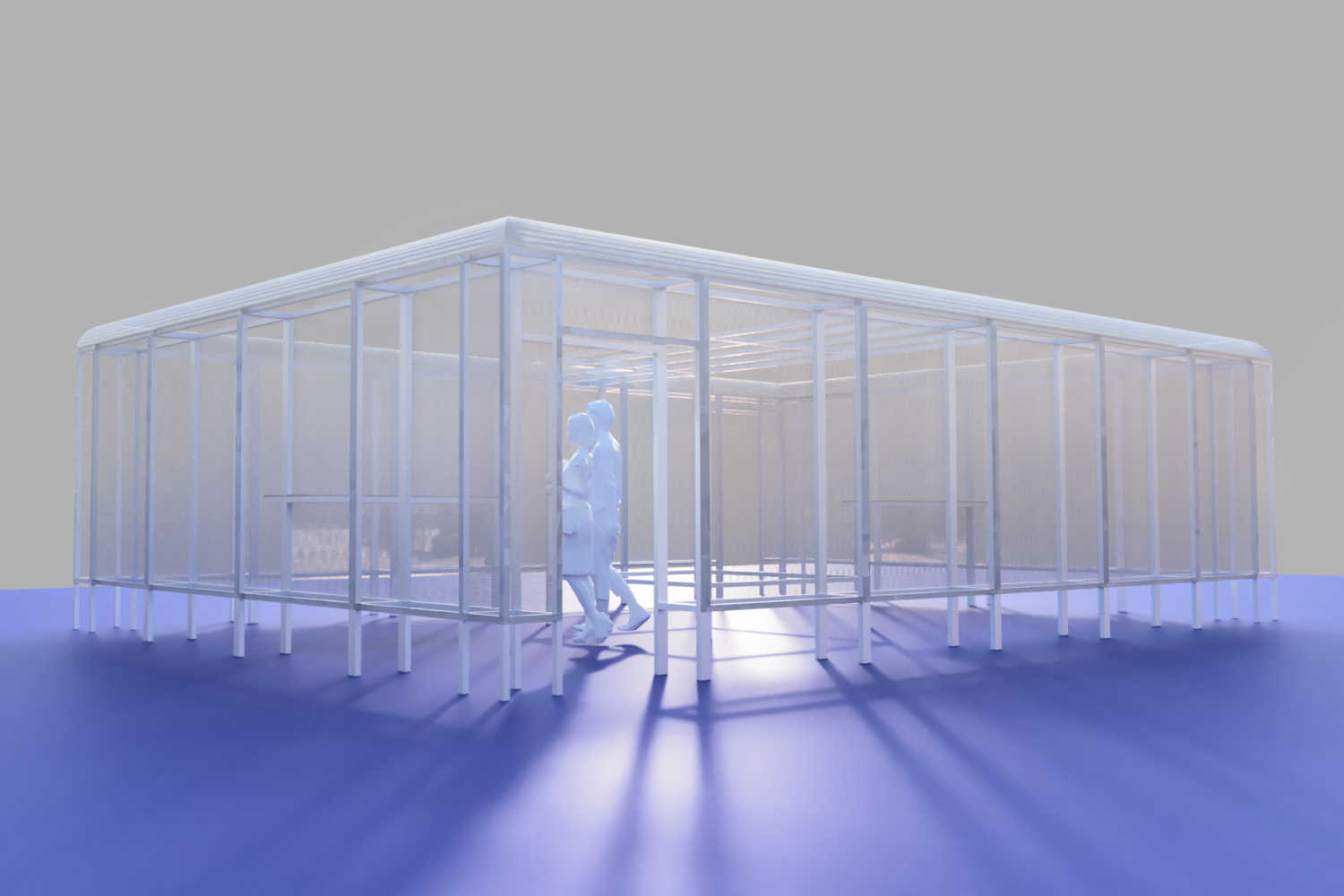
This project, led by design studio “Studio POETIC CURIOSITY” founded by Yusuke Aonuma and Kensho Miyoshi, presents three works that capture subtle presences we often overlook, under the concept “Forms of Invisibility.” For example, leaf-shaped incense is created through upcycling chestnut shells, while large branch-shaped incense developed from this concept is made from rice husks, functioning as an installation as it burns in a manner that reverses plant growth. At the venue, the booth will be enveloped by transparent yet opaque membranes, allowing visitors to perceive subtle flows of air and scent.
Product and Space
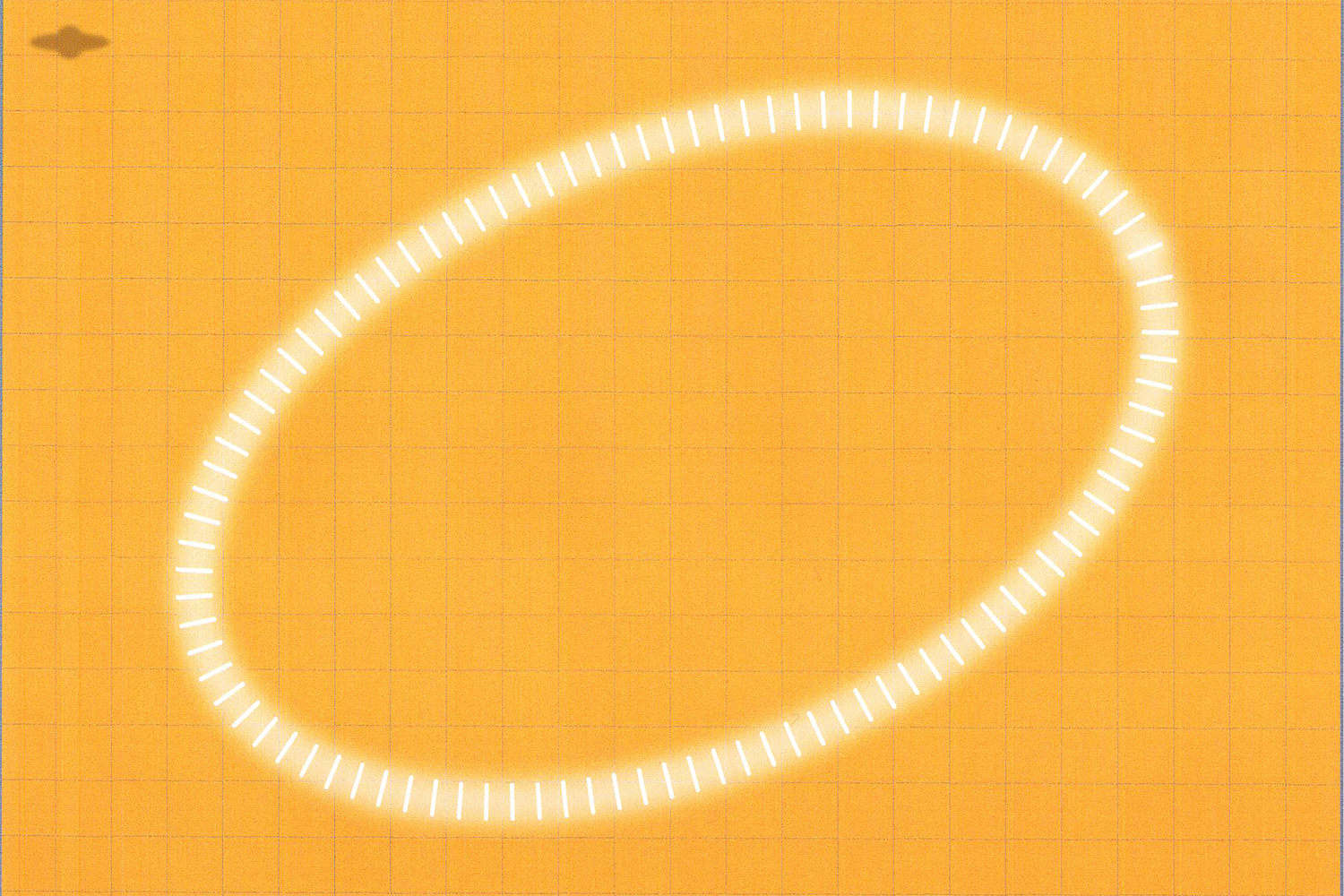
“Product and Space,” led by visual director/graphic artist Misai Kono and artist Takuro Tamayama, presents a unit-based lighting product. Having worked on large-scale exhibitions and product creation while moving between art and design, they propose a lighting system with a simple, minimal structure that allows free combination of 5 to 100 units. Because this lighting transforms freely as a luminous object, it can accommodate various applications from personal living spaces to large-scale installations. The exhibition will also feature video documentation of a performance by performing artist Aoi Yamada in this space, demonstrating the diverse possibilities of this product.
Unseen Objects
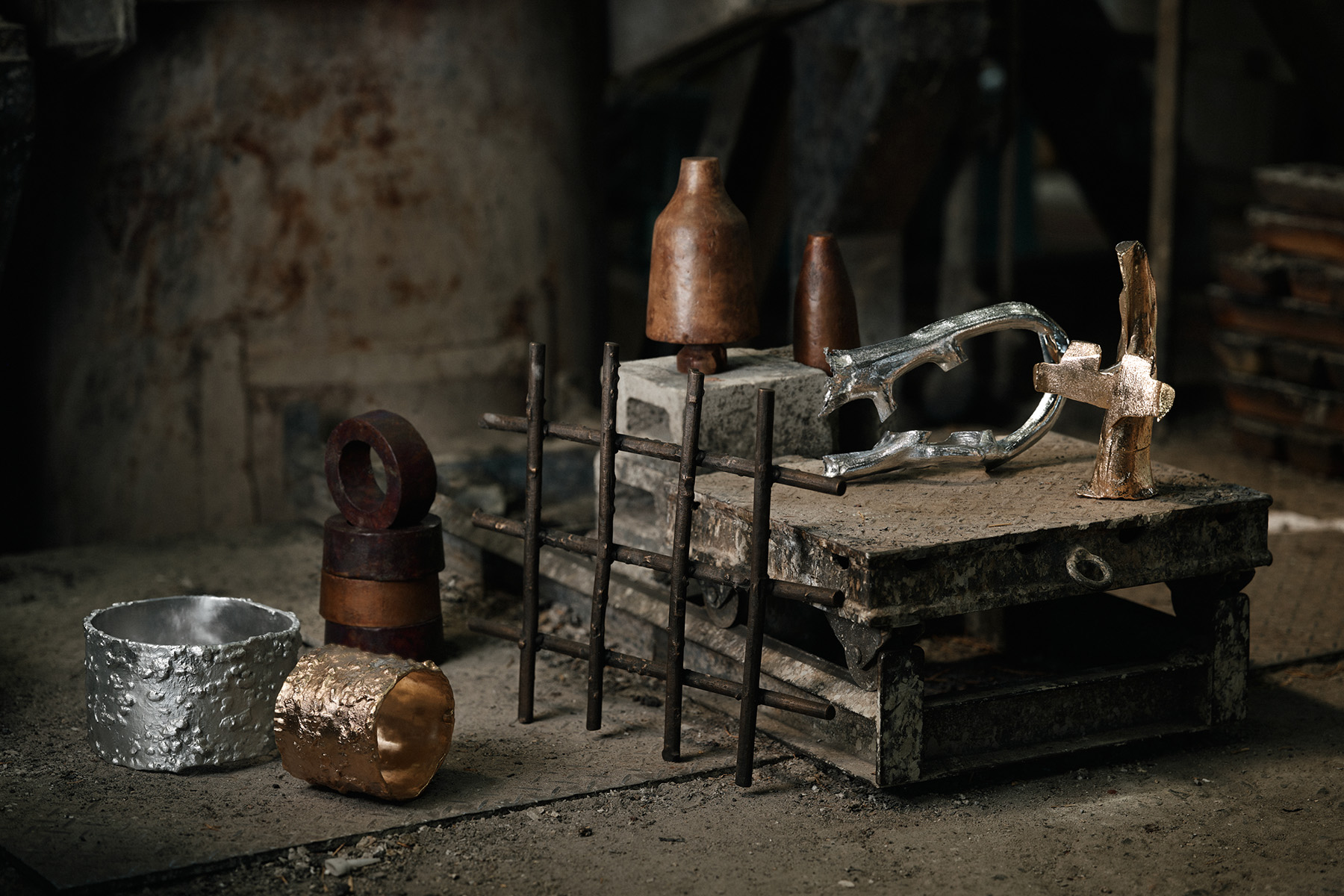
“Unseen Objects” is a collaboration between “we+,” a contemporary design studio founded by Toshiya Hayashi and Hokuto Ando, and Heiwa Gokin, a casting company in Takaoka City, Toyama Prefecture. Focusing on tools used in the casting manufacturing process and accidental forms born from it, they made repeated visits to Heiwa Gokin’s foundry, carefully researching the casting process and selecting objects created daily at the factory yet consistently overlooked. They transform these into new objects through 3D scanning and mold-making. Rather than pursuing perfect products, this project discovers new beauty in the mistakes and remnants born from the manufacturing process.
Voidbark
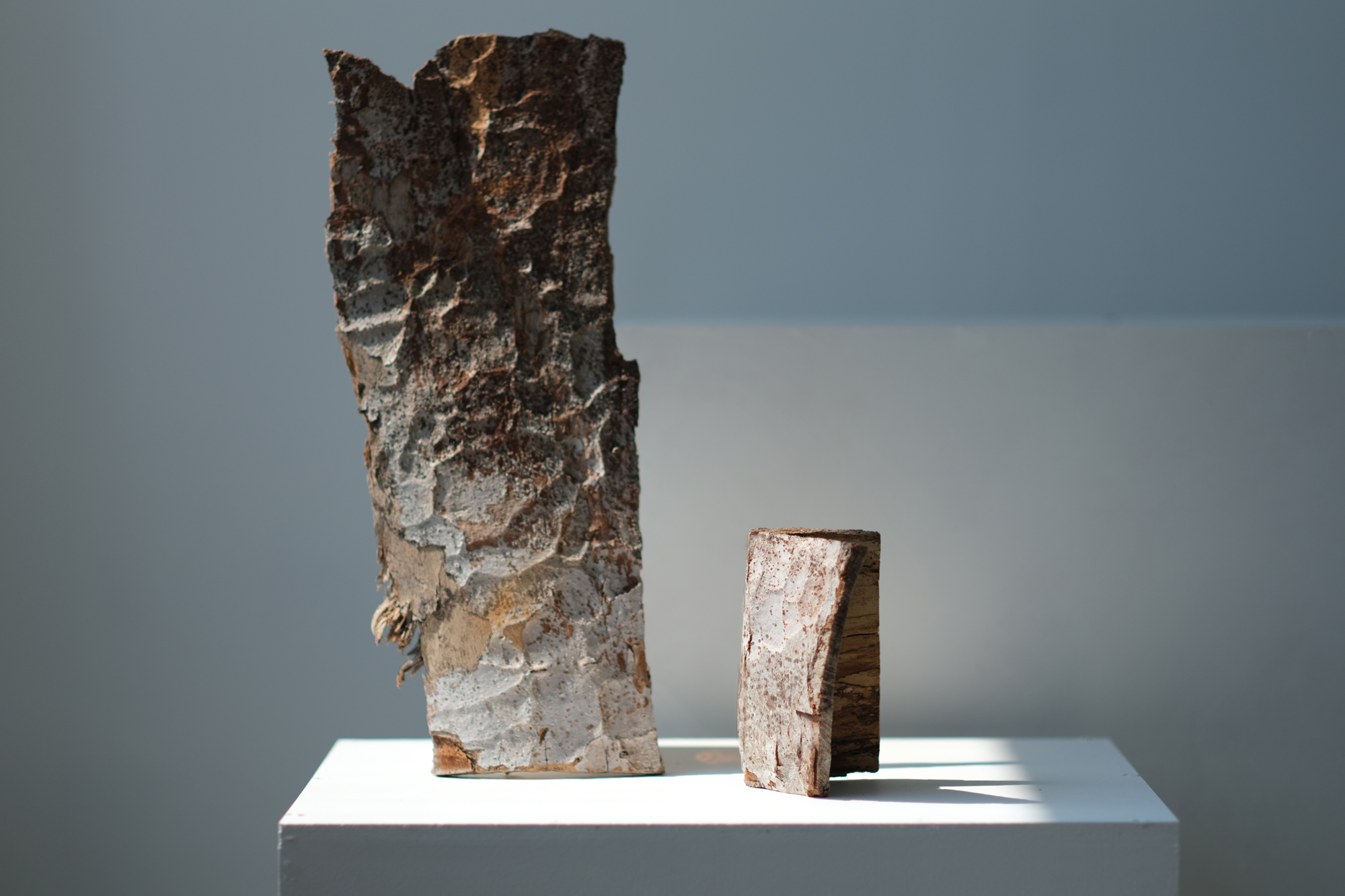
“Voidbark,” led by Yuma Nishida of OTHER DESIGN based in Shizuoka, is a project that transforms bark into new products. While bark serves to store moisture and nutrients and protect trees, it has been discarded as waste in the process of felling trees and processing them as lumber. This project combines modern technology with traditional woodworking knowledge to discover new beauty in bark—whose unpredictable movement makes it difficult to handle industrially—and transform it into products. Through industrial bending techniques and resin application, they increase the bark’s strength while enabling it to maintain diverse forms, incorporating bark into various products such as lighting and chairs. This approach proposes new materials while preserving the appeal of traditional crafts and mingei.