jp en
menu

exhibition

Bole

Bole
See the tree, know the forest.

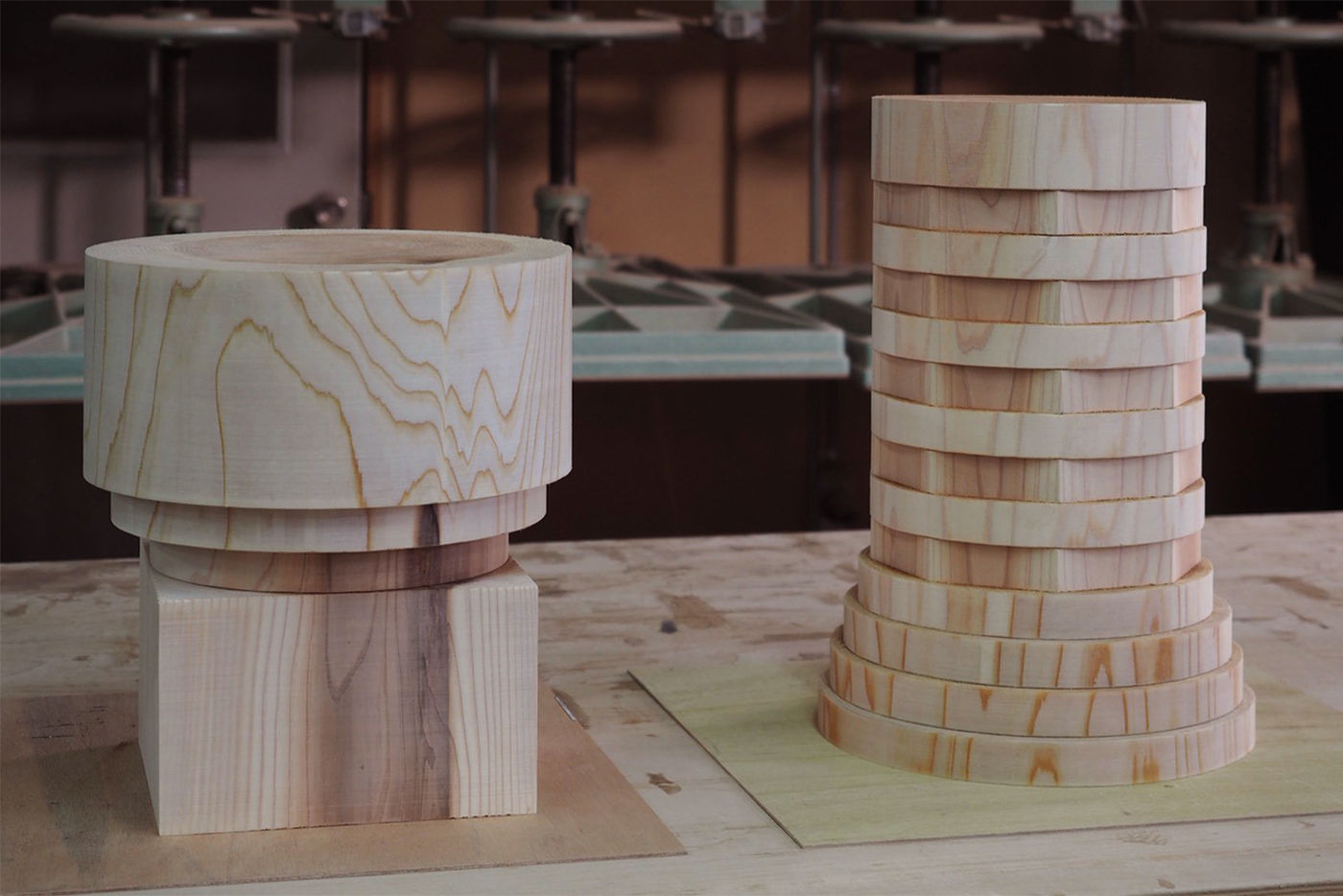
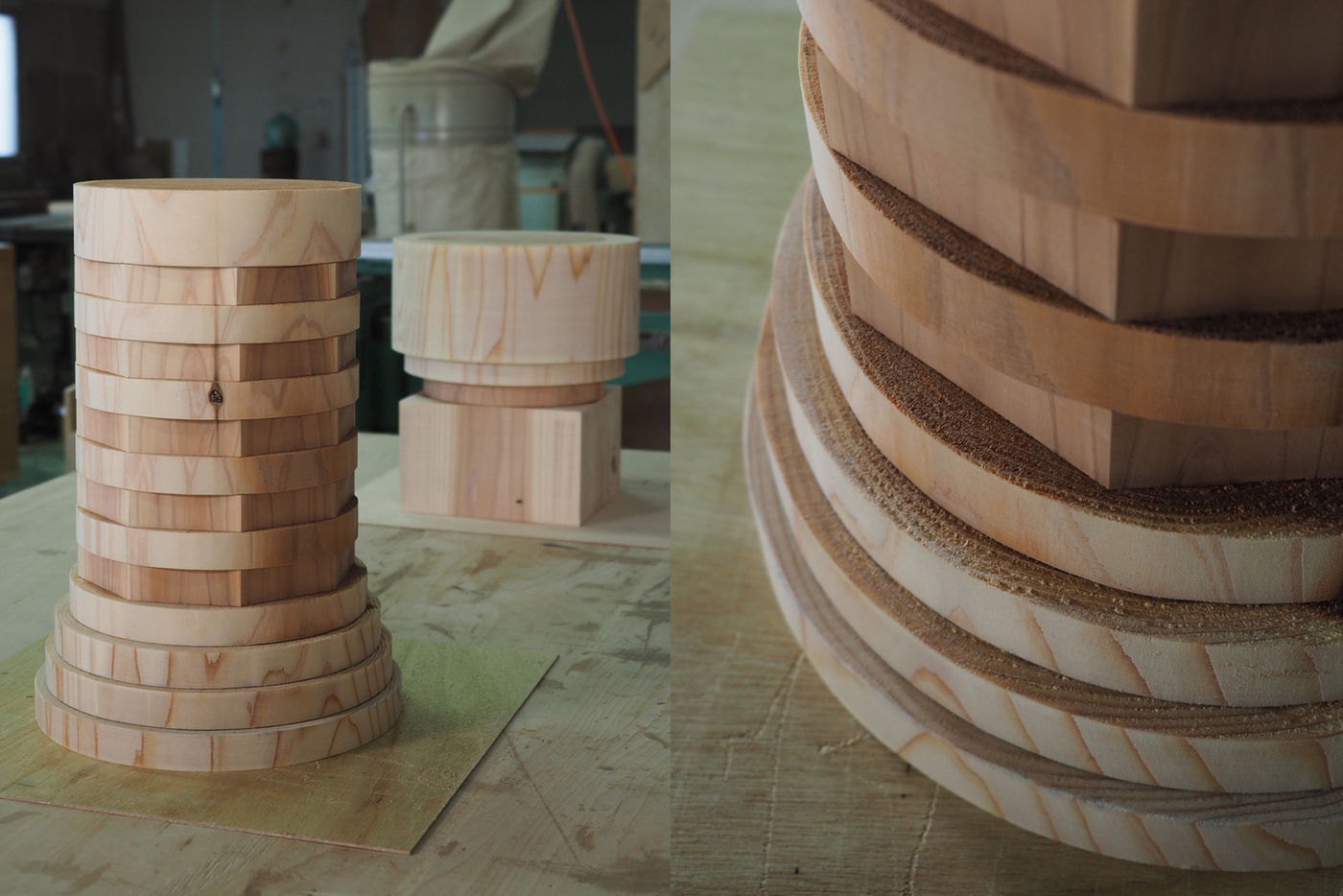
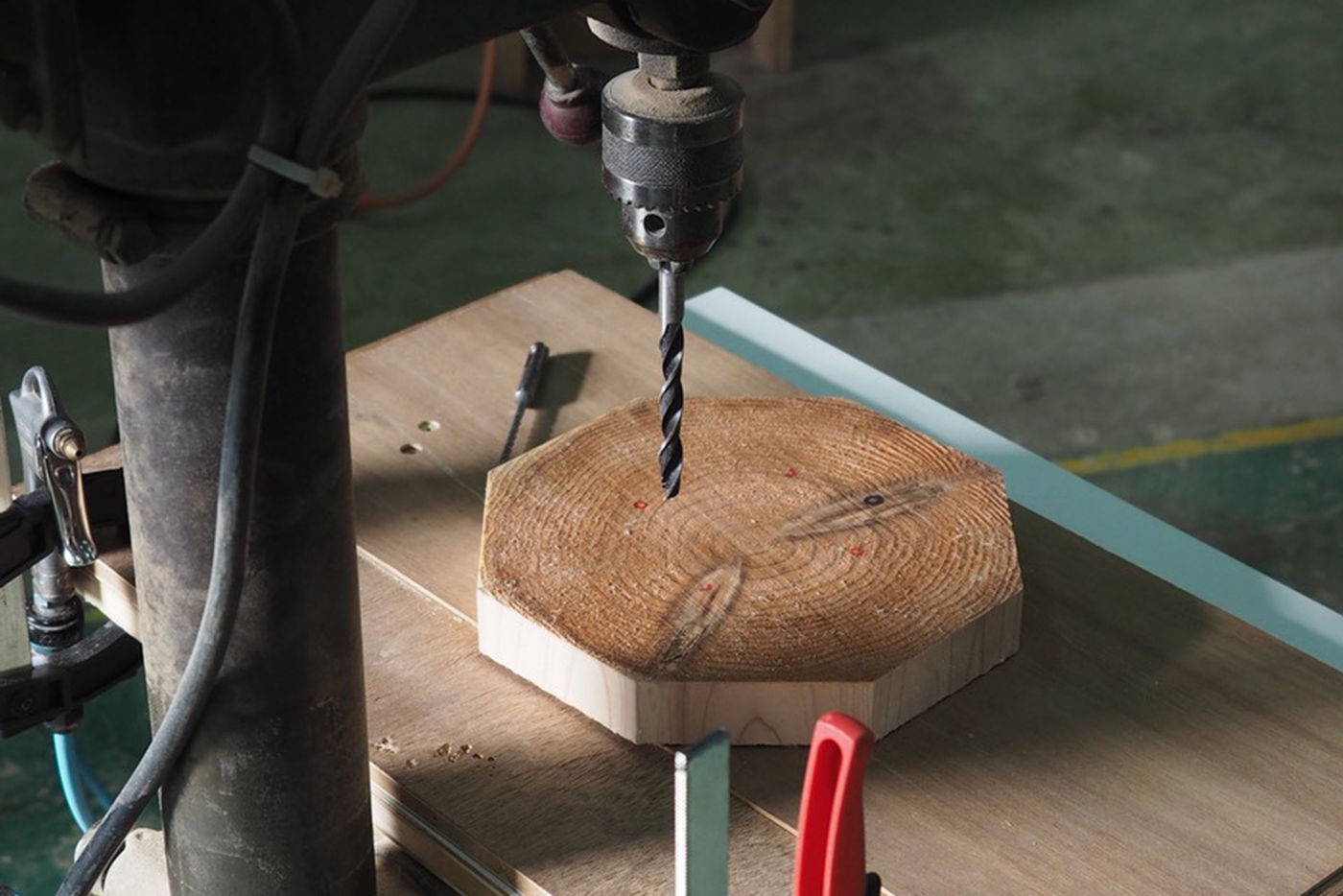
Across Japan, the market value of a raw log has fallen below the value of the labour behind it. Timber keeps flowing through construction and manufacturing, yet almost none of that value returns to the people who grow, manage and harvest the forest. Bole was developed in response to this imbalance. A single log is cross-cut into discs, shaped into a small family of modules, then stacked and fixed together to form furniture. The process is deliberately simple: it uses only equipment and techniques already close to the forestry side, removing unnecessary processing and protecting the value held in the original timber. Bole is a product that carries the story of one tree rather than an anonymous material, and at the same time a proposal for a more direct route from log to object, returning value to the forester.

overview

Wood is one of the materials closest to our everyday life, yet we rarely encounter the forests behind it, or the work of growing and felling them. In Japan, the price of a log no longer reflects this labour, making the continued care of forests increasingly difficult. Bole began by confronting this reality.

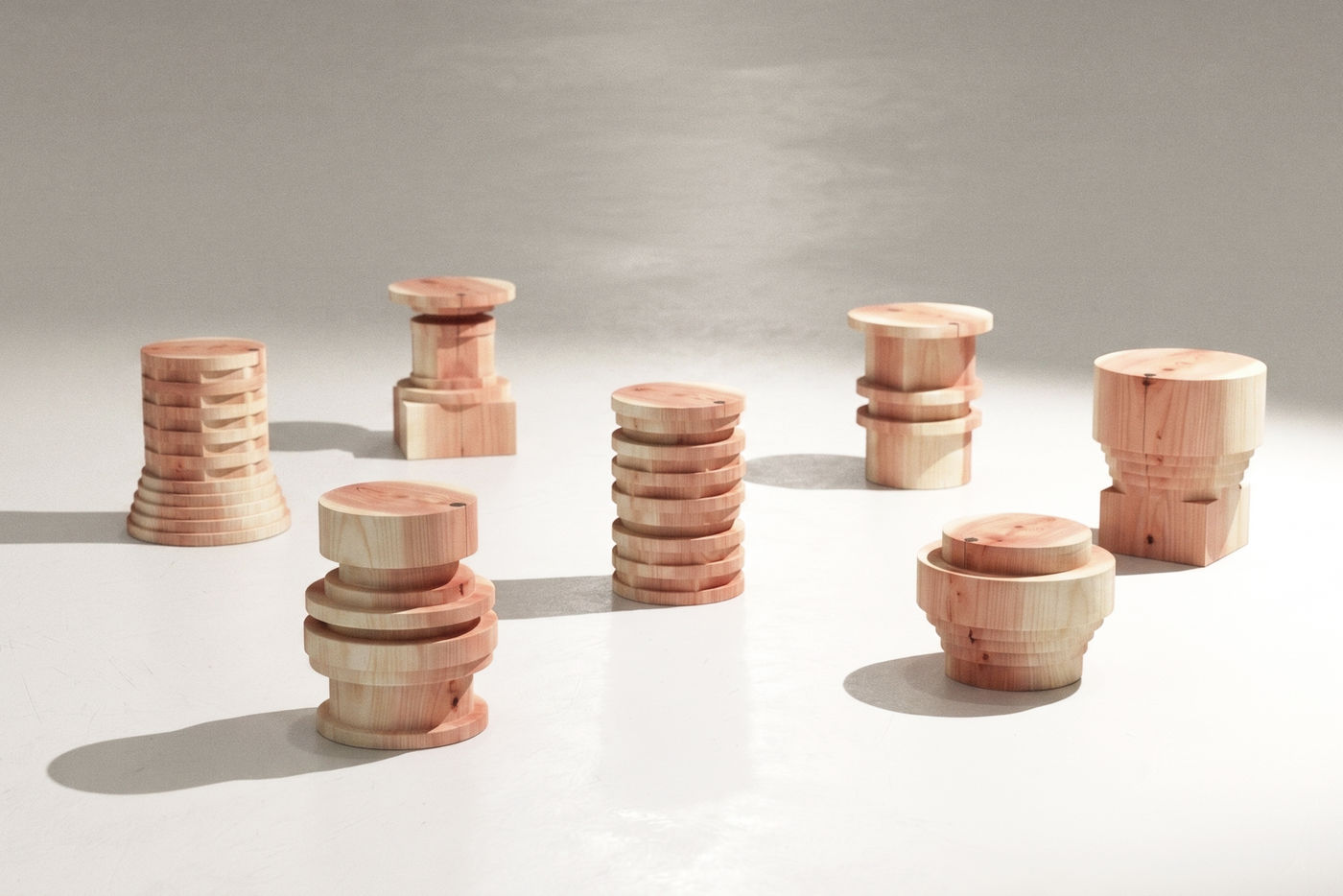
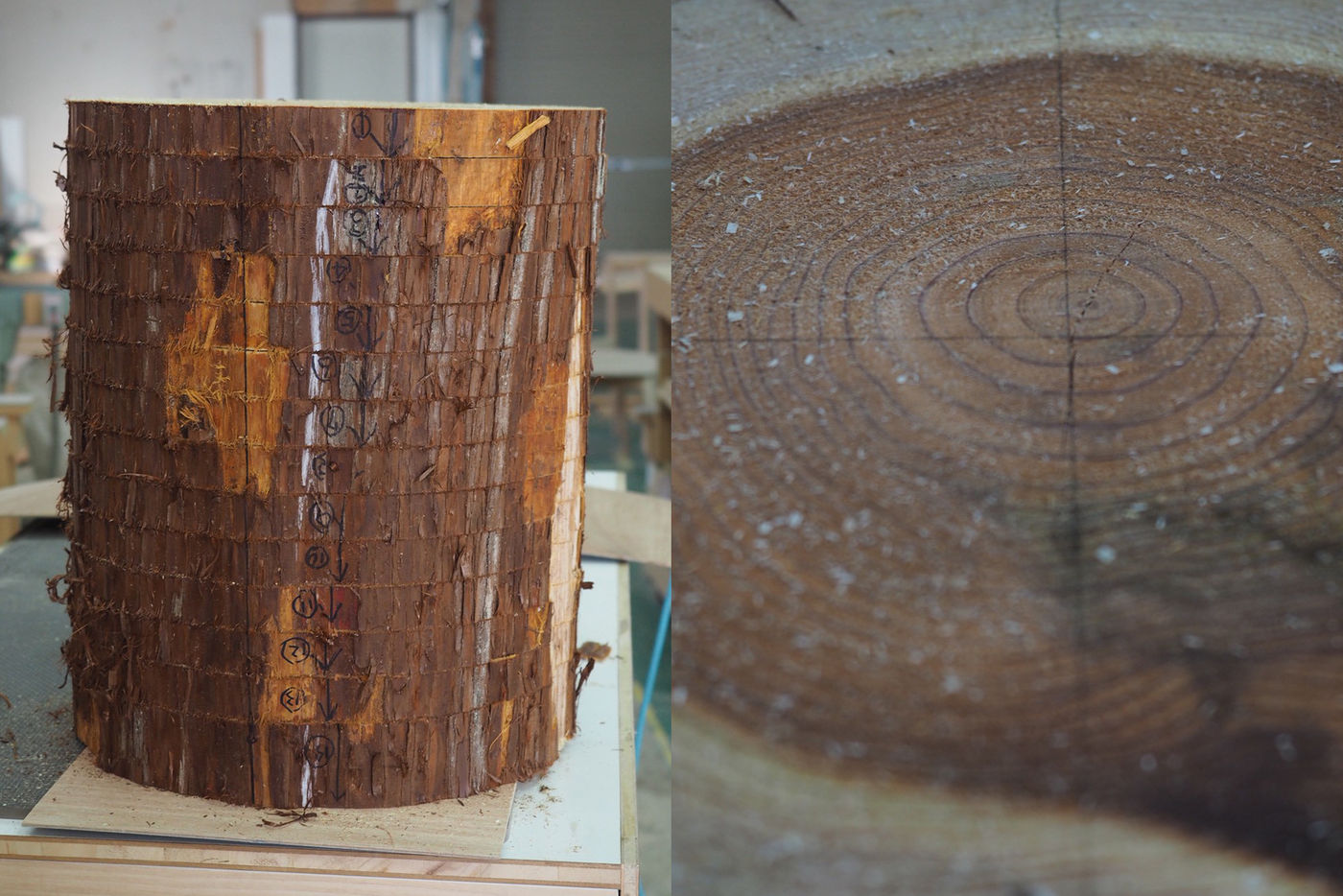
A single log is cut and shaped into eight stools. Their forms are deliberately simplified so that they can be made by foresters themselves. One tree yields four four-metre logs, and each log up to eight stools.

The exhibition translates this relationship into space. Through the stacking of the stools and the continuity of their grain, the furniture can be read back into the log, the tree, and ultimately the forest from which it came from .

member

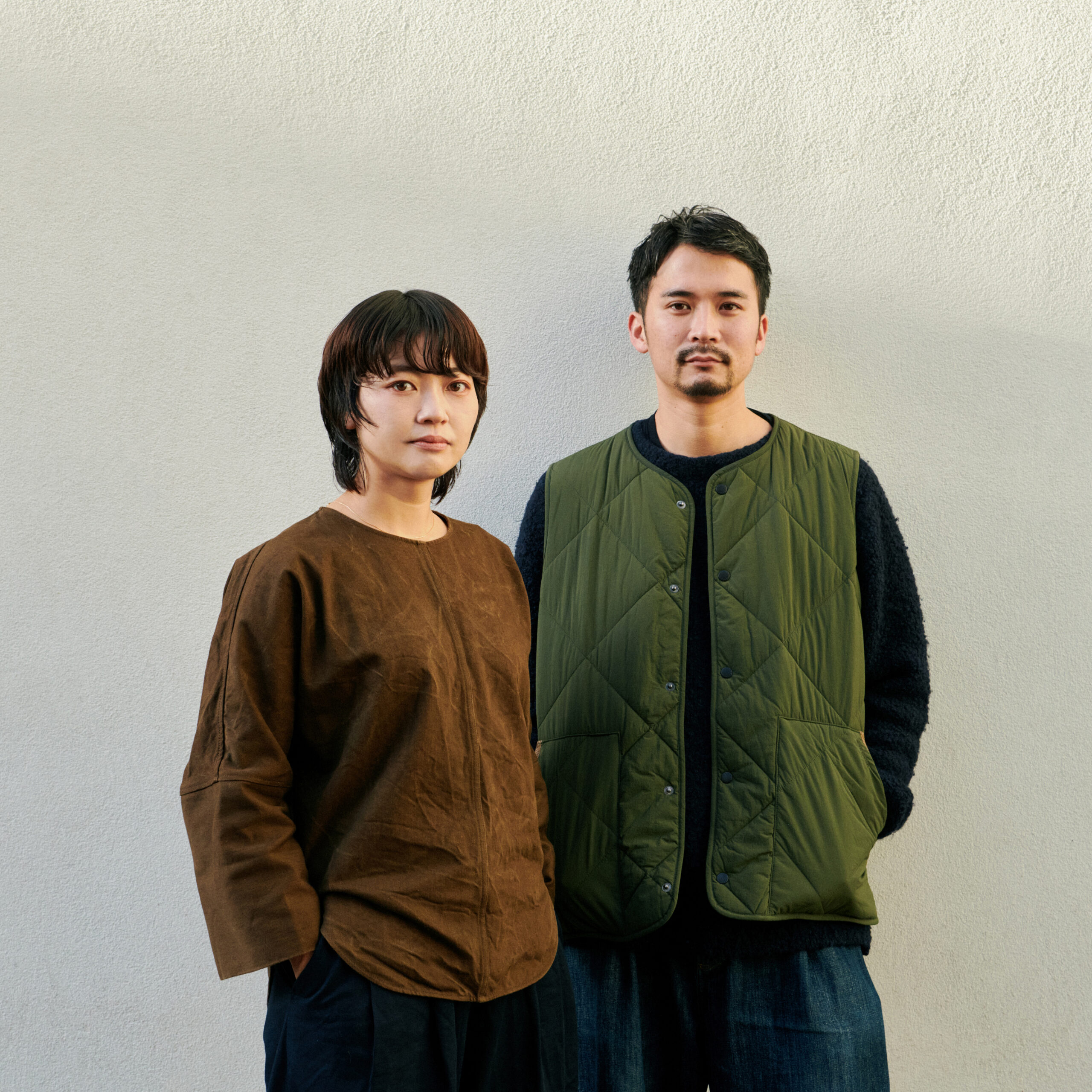
BOLE is a collaboration between forestry, timber and design. Shin-Mirai (Tokyo), a company building data platforms for sustainable forestry, initiated the project with a simple question: could a product be developed that returns more value to the forest? Morisho Meiboku Sangyo (Uda, Nara), a forestry and sawmilling company founded in 1927, supplies the Yoshino cedar and brings practical knowledge of logging, timber handling and the realities of the supply chain. PAN- PROJECTS, a London-based architecture and design studio, developed the design and production logic of BOLE and the spatial concept of this exhibition.