
Continuously Redefining Product Design—Toward alter. 2026, Tokyo
february 9, 2026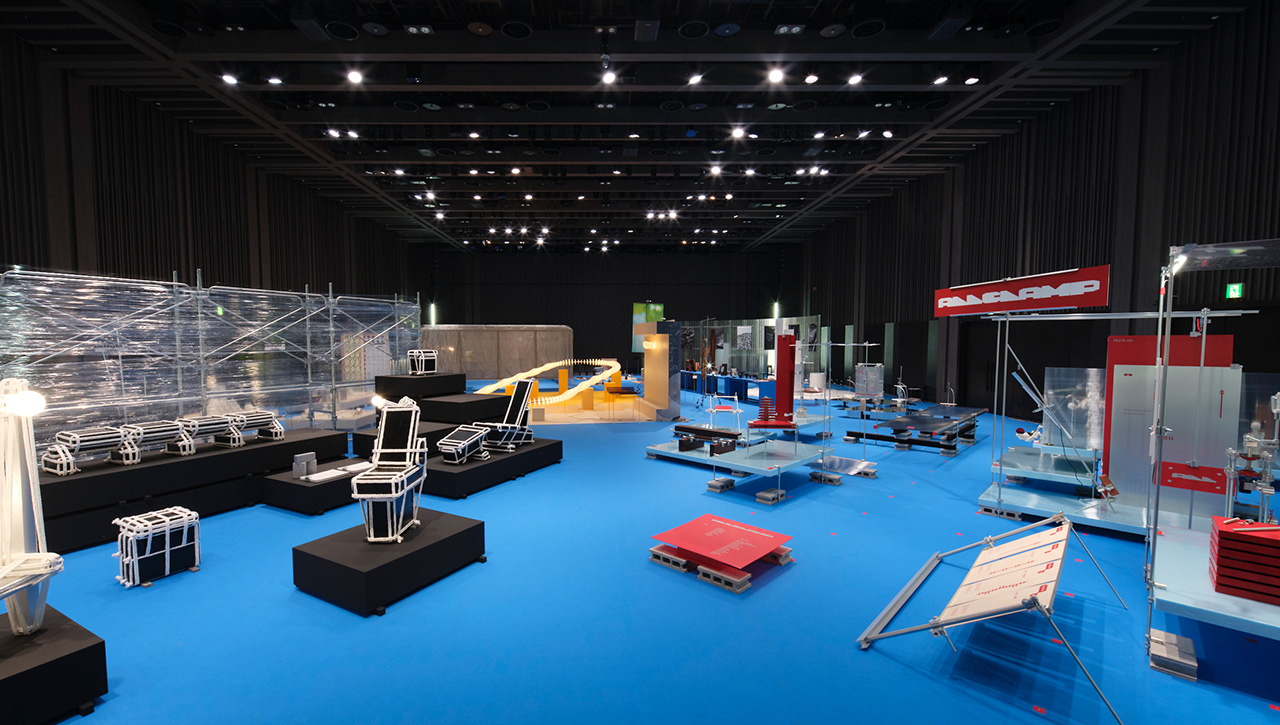
The inaugural alter. event, held from November 7-9, 2025, welcomed approximately 3,500 visitors. How was alter., which aims to present an alternative approach to product design, created, and what kind of space did it actually generate? As project submissions open for the 2026 edition, we reflect on the 2025 implementation and reconsider the significance of alter.
The Pursuit of Alternative Product Design
In November 2025, alter. was held in Nihonbashi, Tokyo. Designed to foster prototyping and collaboration among diverse creators representing the next generation, and to present an alternative approach to product design, alter. attracted considerable attention despite being its first edition, drawing approximately 3,500 visitors over three days.
alter. is not simply about creating a venue for young designers to present their products; it aims to create a space and framework where various creators can gather and present new values. For this reason, it incorporated many approaches that differ from typical design events.
The first distinctive feature was the prerequisite of project-based exhibitions where creators from different fields form teams, rather than exhibiting as individuals. By establishing this structure, creators were able to clarify the questions they were asking and the experiences they wanted to present to society, making it possible to design everything from concept development to spatial design and relationships with visitors.
Another distinctive feature was the decision not to charge exhibition fees, but rather to provide subsidies of up to 3 million yen for exhibition and production costs. Product prototyping often incurs significant costs, and even when young creators have ideas and visions, they frequently cannot begin actual production. By supporting production costs, alter. created a space where creators could engage in free experimentation without being constrained by commercial considerations from the outset.
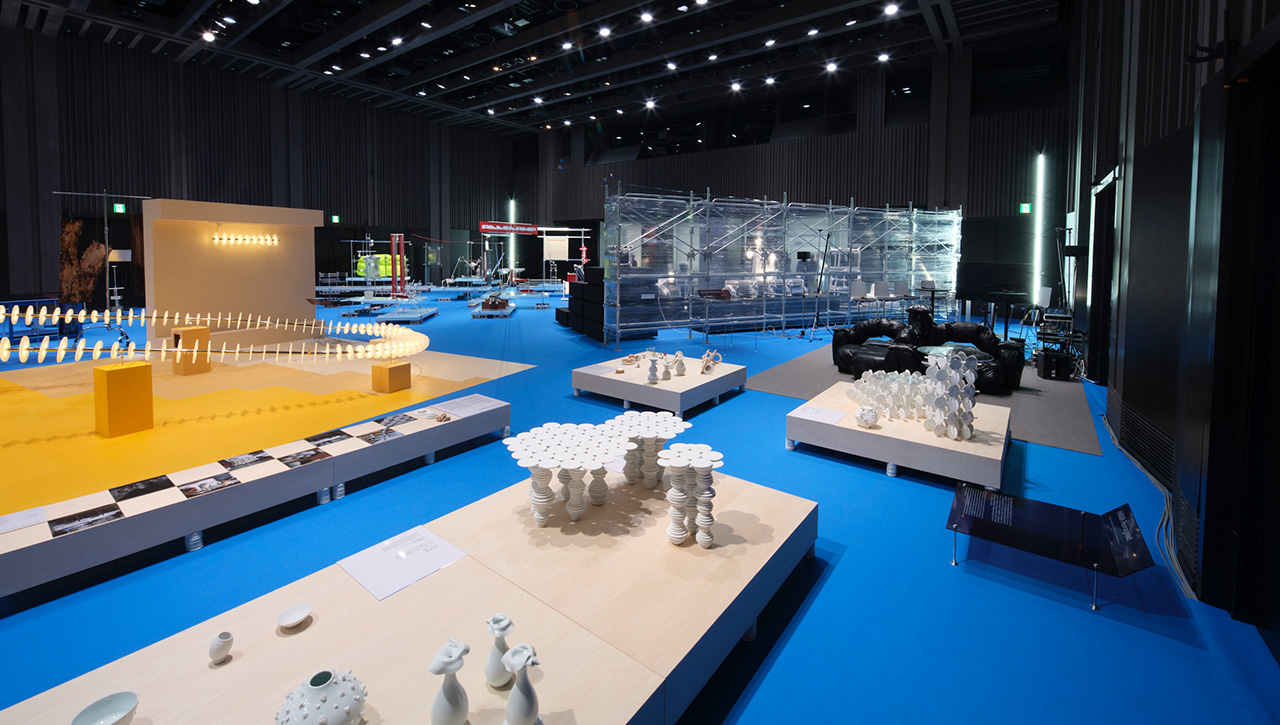
Furthermore, since the protagonists are the creators and visitors themselves, creating a flat, platform-like space in the venue and experience design was also a distinctive feature. Additionally, rather than preparing conventional exhibition halls or white cubes, the decision to create a bright blue floor where all projects would stand out equally became a defining characteristic of the alter. space. Incorporating horizontal and vertical lines as symbolic design elements from the entrance to the exhibition hall was essential for maintaining consistency with alter.’s visual identity, web design, posters, and other creative elements, establishing a cohesive worldview that extended beyond the venue itself.
alter.’s approach was highly praised by committee members from around the world, including representatives from MoMA and the Centre Pompidou. Creating a space that extends beyond just “products” and presenting the methodology, narrative, and process behind them is also about carefully connecting products with society and daily life, which proved significant for considering the value of product design in contemporary society.
A Space Where Boundaries Are Transcended and Free Exchange Emerges
As a result of these approaches, alter. brought together 11 projects and 59 creators, generating a space that embodied an alternative approach to product design. The backgrounds of the creators participating in each project were truly diverse. Some projects were initiated by photographers, others involved sculptors and graphic designers exchanging ideas, and some even featured dancers performing at the venue.
In the design field, questions about genre and category—”Is this design or art?” “Is it a product or an installation?”—are not uncommon. However, it is also true that creators actually engaged in production freely traverse domains without confining themselves to genres or categories. While creating a space for cross-industry creator collaboration might sound like a special initiative, it could be said that free exchange without genre boundaries is actually the natural state of creativity.
Within the venue, many initiatives were undertaken beyond just project exhibitions. For example, in the talk programs, rather than having designers discuss “product design” itself, the focus was on various issues surrounding product design—such as “modification and repair,” “Asian aesthetics,” “human interface,” and “viewer engagement”—with diverse guests including entrepreneurs, researchers, artists, and television producers. These talks also served to generate questions for considering alternative approaches to product design and to reexamine the relationship between our lives and products.
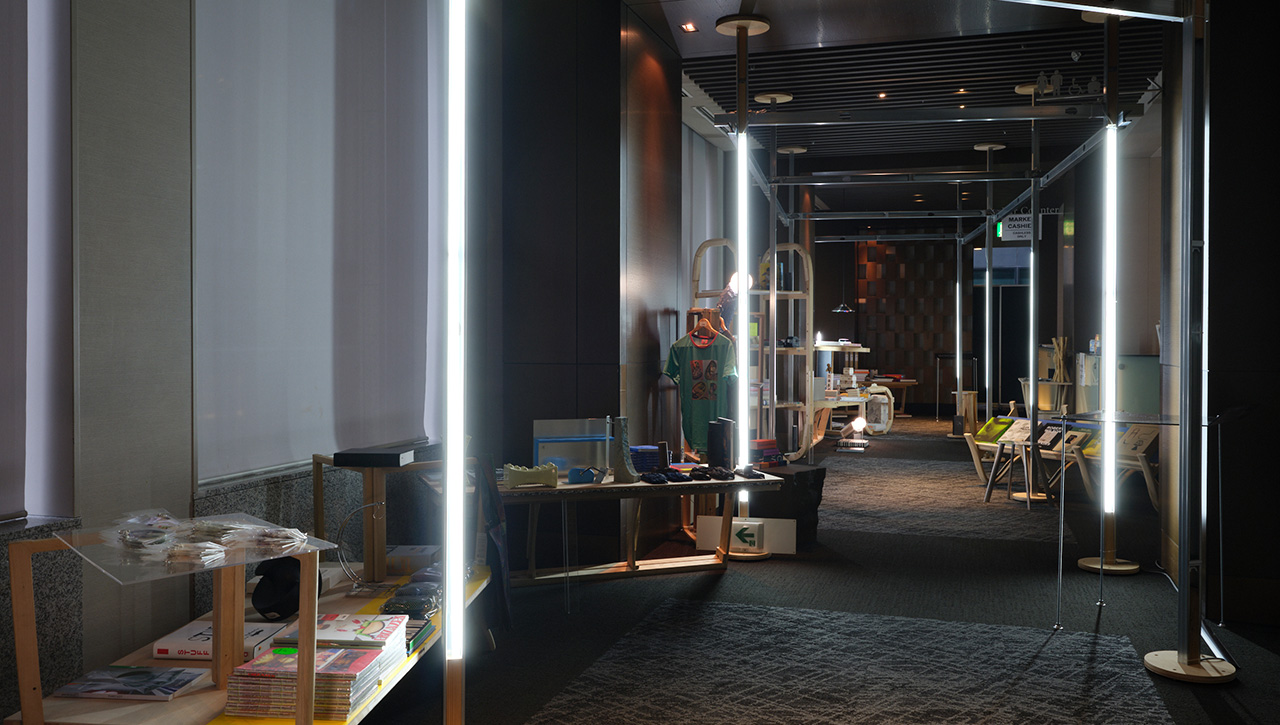
The results of “Composition from the Viewer’s Side,” an educational program for teenagers conducted in preparation for alter., were also presented at the venue. This program approached design from the perspective of “the viewer = the recipient” rather than “the maker.” Through multiple workshops, participants engaged with the act of “seeing” and explored new ways of using existing products, ultimately designing fixtures for a marketplace where visitors could purchase works by exhibiting creators.
Furthermore, a side project called “retla.” was implemented, focusing on even younger creators and pre-product processes, planned and directed by Ryuki Sugino, one of the participating creators. Filling the “alleyways” between exhibitions, traces of prototyping were presented, alongside programs where creators gathered for informal “conversations.”
By implementing various programs within the venue beyond just project exhibitions, alter. seems to have created a space not merely for visitors to view exhibitions, but for people who happened to meet to interact and discuss. Precisely because many people participated, it was not uncommon for the creators in charge to be present at each booth, and the opportunity to interact with the actual designers of the products may have made alter. a more multi-dimensional event.
Archiving and Building Culture
Through these efforts, alter. attracted considerable attention despite being the inaugural edition, and was covered by media both domestically and internationally. However, needless to say, this is not a goal or achievement, but merely a starting point. There is still room for improvement in the creative aspects of the event itself and the venue design. Since the exhibited projects were about prototyping rather than presenting “finished products,” some visitors may have found them rough around the edges.
However, alter. does not aim to gather high-quality products that everyone would find wonderful, nor is it simply about holding an annual “event.” This is because alter. aspires to be not a place for competing on completeness, but a space that continually questions value standards themselves. This attitude resonates with the contemporary environment surrounding product design. Even in product manufacturing alone, it is necessary to consider the entire lifecycle, not just beauty and function, and attention to what was previously discarded or to overlooked processes has been increasing year by year.
This is why alter. emphasizes being a medium- to long-term project rather than a short-term event. Recording the process on the website reflects this attitude, and an archive book compiling this event into a single volume is scheduled for publication in March of this year. This archive book will not only be sold at bookstores throughout Japan but will also be sent to museums and educational institutions both domestically and internationally. Events may also be held in various locations in conjunction with the publication.
While making the event successful is important, archiving the alter. initiative—including its trial and error—so that it can be referenced by future generations is critically important. Without such accumulation, even if excellent products are exhibited, it would be difficult to position them within culture and context.
As already announced, alter. is scheduled to be held again this year, and project submissions have begun. Preparations are underway to welcome curators and designers leading the global design scene from around the world as committee members once again. Building on the inaugural 2025 implementation, the space that alter. generates is set to expand further.
alter. continues to ask: What is design? What is the value of products? Why do we humans need creativity?—Constantly questioning and continually renewing values. alter. is a project that accumulates such practices.