alter. awards announced! What products did the committee members evaluate?
alter. successfully concluded its run from November 7-9, 2025. During the event, the “alter. awards” were announced at the venue, recognizing the products that garnered the most attention from committee members. What products did these committee members—who work at international institutions such as MoMA and the Centre Pompidou—choose? We present the alter. awards winners along with comments from each member.
Unseen Objects selected by Keisuke Nakamura
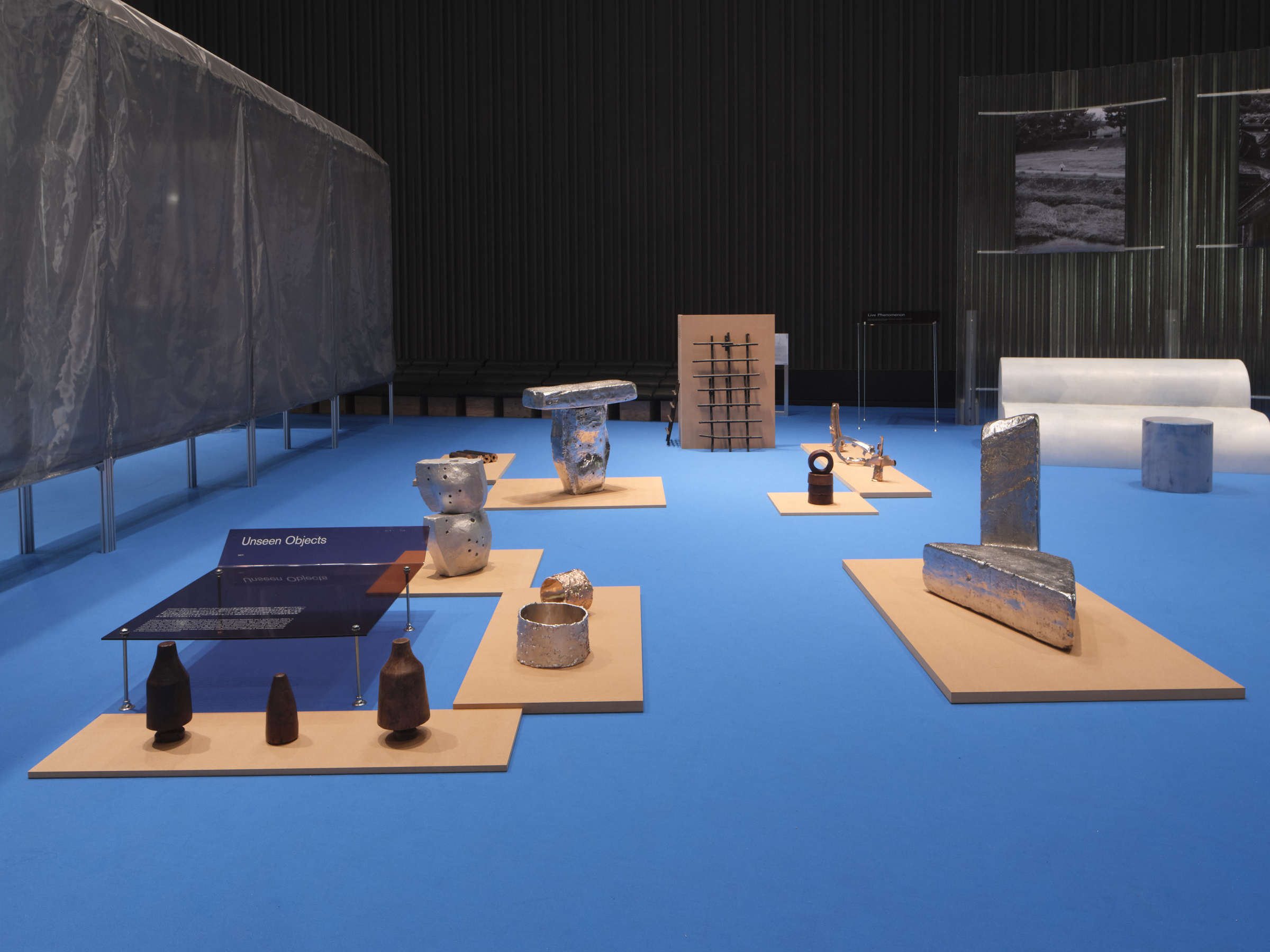
I believe alter.’s mission is to reexamine existing frameworks, transcend boundaries, and illuminate the path forward. I strongly felt this “transcendence” in the team formation of participating creators and in their expressions. However, while transcending boundaries is important, maintaining balance in that transcendence is equally crucial. There’s a risk that excessive boundary-crossing can lead to loss of agency and blur the very message that needs to be conveyed. we+’s approach struck an exquisite balance, expressing the flexibility of making with strength and simplicity. Though simple and understated in expression, I found it resonated as an essential way of thinking for our future. This is what true transcendence means.
ALL CLAMP selected by Kristen de La Vallière
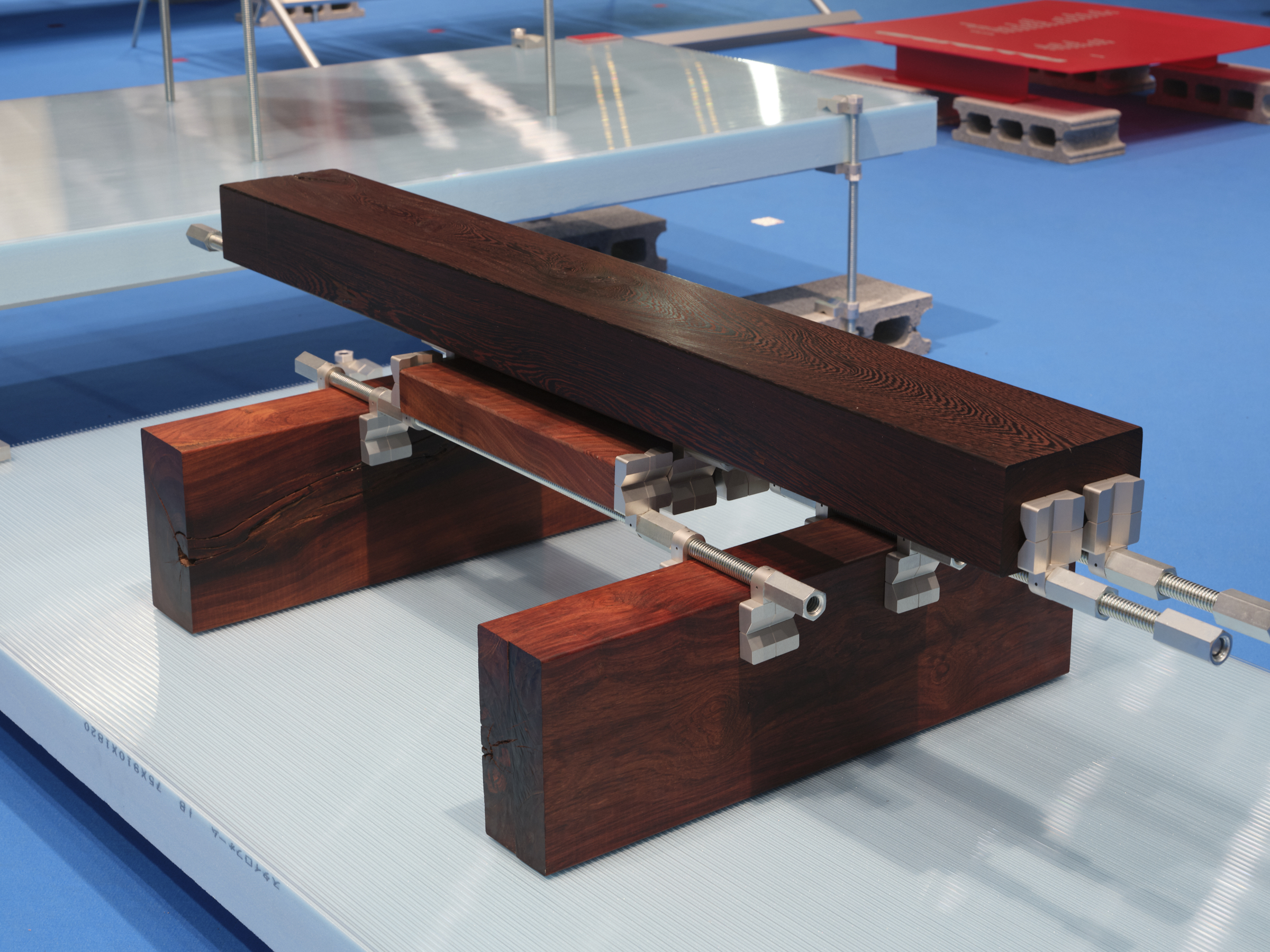
ALL CLAMP returns authorship to the user, challenging long-held distinctions between designer, maker, and end user. As a modular fitting system, it enables the construction of functional forms from salvaged or everyday materials—extending not only creative agency but also responsibility. In doing so, it reorients design toward improvisation, reusability, and spatial empathy.
Its most compelling contribution lies in its responsiveness: objects built with ALL CLAMP are adaptable to the user’s physicality, the specificity of architectural context, and the shifting demands of daily life. This design logic resonates with the Japanese architectural tradition, in which interiors are provisional, responsive, and defined by temporality rather than fixed function.
Compact, lightweight, and affordable, ALL CLAMP speaks to the democratization of design through accessibility. But it also speaks to a more urgent imperative: to rethink material culture through sustainability and individual empowerment. It offers not a single solution, but a system—an invitation to inhabit space with greater intentionality.
ALL CLAMP addresses all three of Alter’s curatorial criteria: aesthetic clarity, functional intelligence, and expressive innovation. It does so not by resolving design into a product, but by extending it into a participatory and evolving process.
ALL CLAMP selected by FormaFantasma
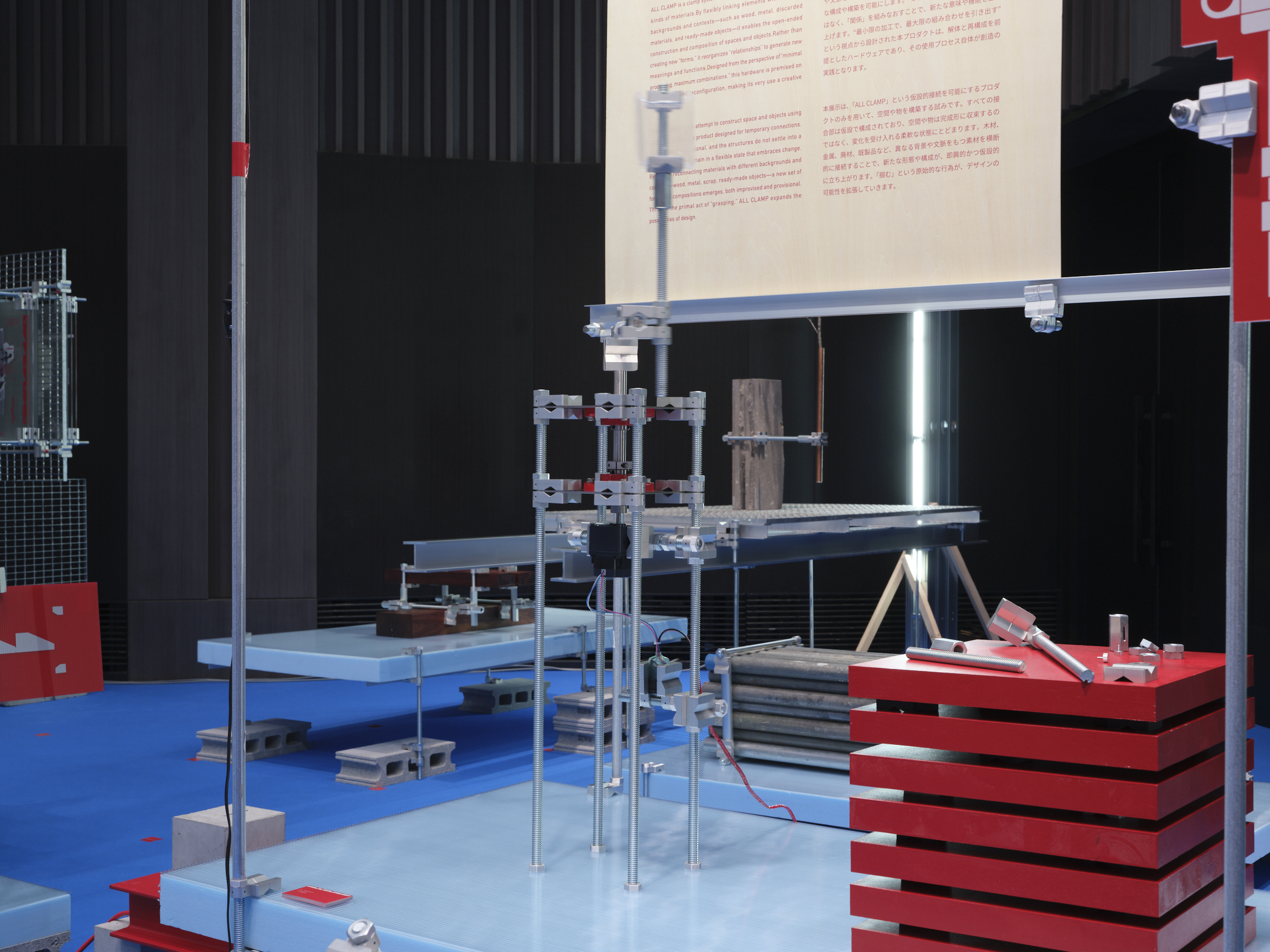
The ALL CLAMP project really stood out for me! A group of young designers took the classic craft of joinery and gave it a totally fresh spin. They used half-finished construction materials, stuff you’d normally find on a building site, and turned them into beautiful, functional objects like chairs, lamps, and tables. There’s something really honest and raw about their approach, yet the results feel surprisingly refined. Even the exhibition design echoes this idea, blurring the line between construction and completion. It’s a clever mix of process and product, and it perfectly captures the experimental spirit of Alter in Tokyo.
HAMA Reimagined selected by Tanja Hwang
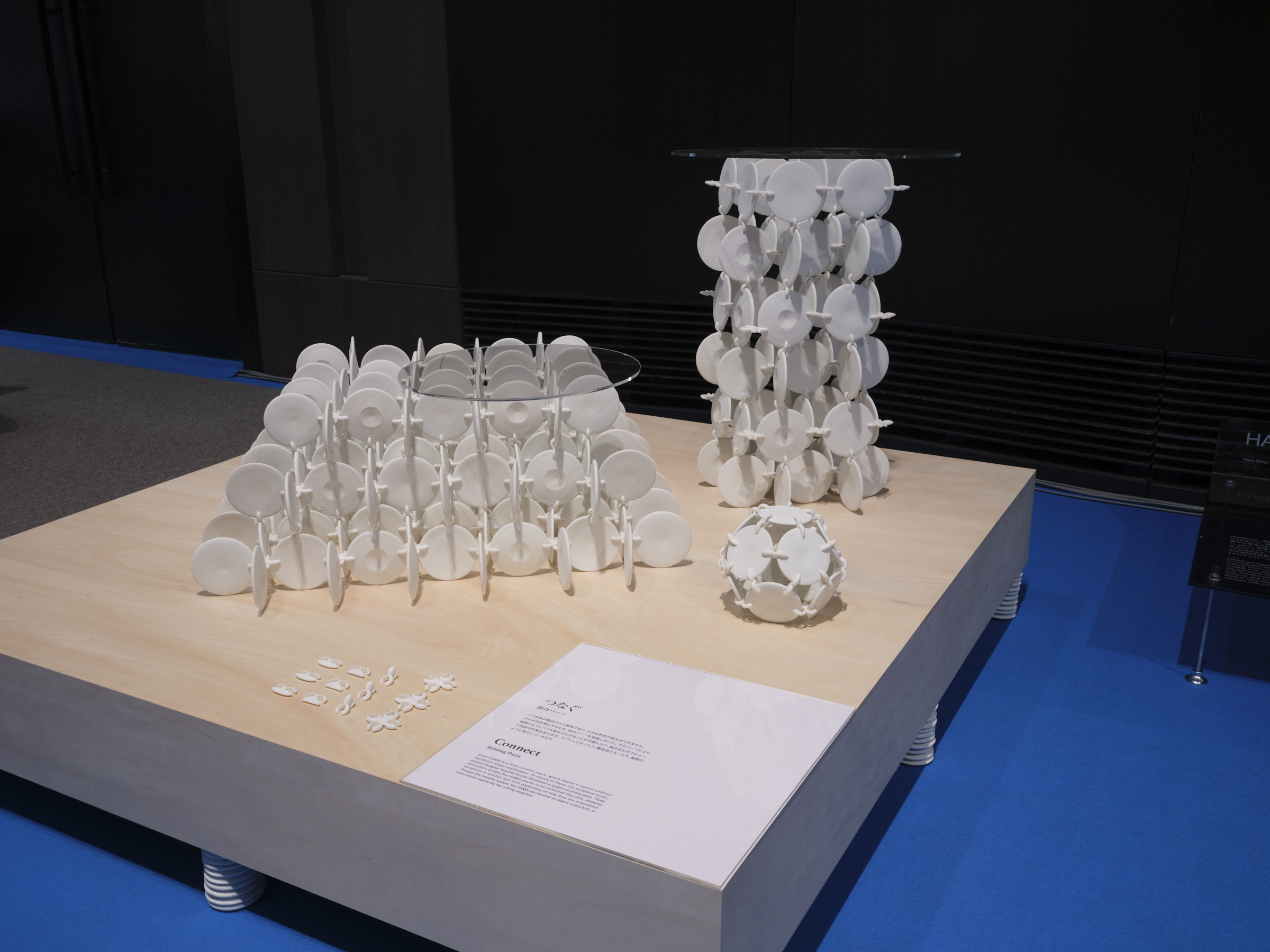
HAMA Reimagined takes an innovative approach to sustainability by transforming a by-product of ceramic production that would usually be discarded into visually appealing and functional objects. The specially developed connection element adapts to the various dimensions of the individually handcrafted Hama pieces, transforming them into a modular, scalable system with a wide variety of possible configurations and applications. Although Hama Reimagined is rooted in local ceramic practices, its pioneering methodology has the potential to be adopted by other crafts-based industries, making it a meaningful model with global relevance.
HAMA Reimagined selected by Olivier Zeitoun
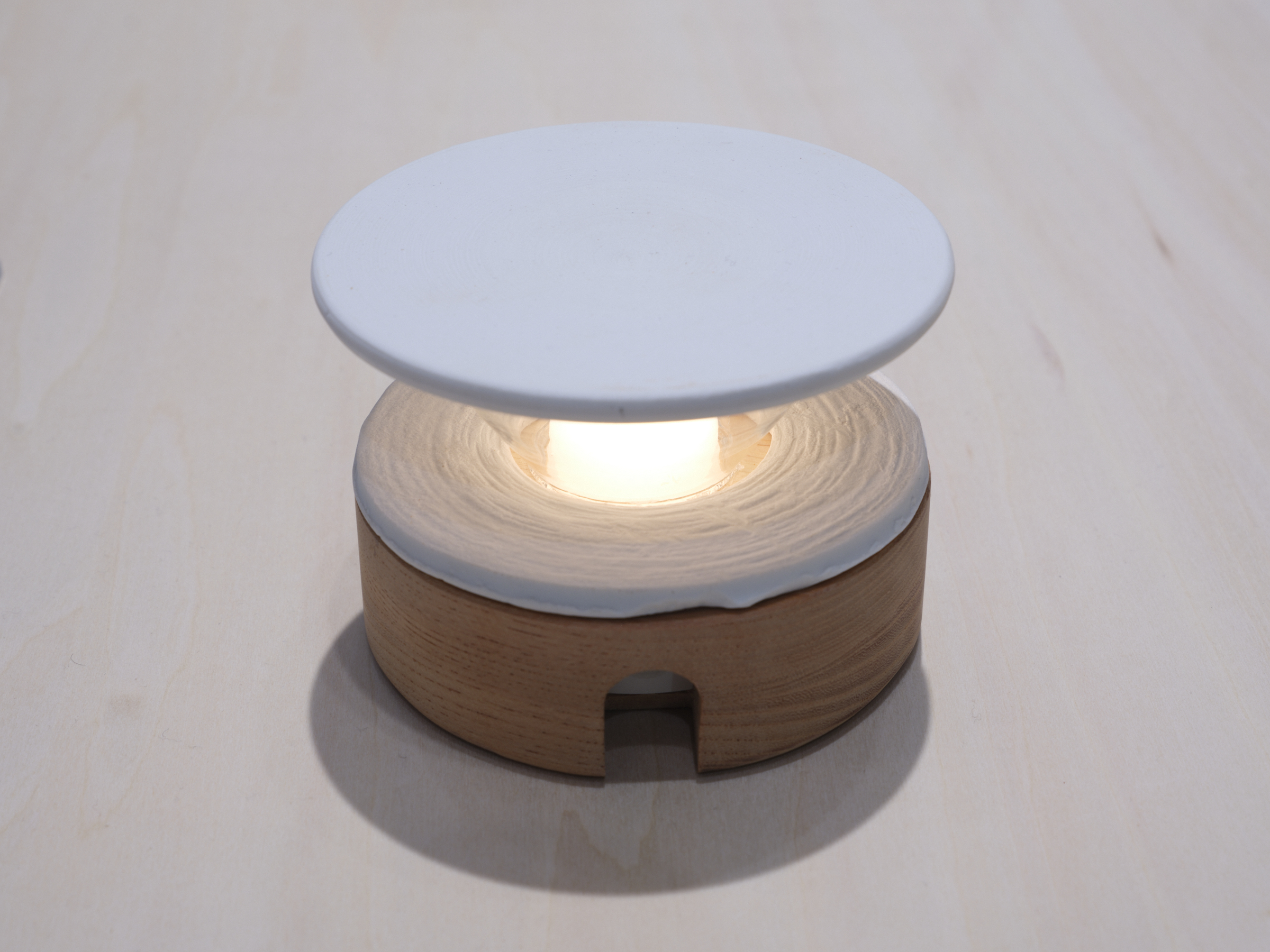
This initiative highlights a typically overlooked craft by-product, integrating it innovatively into the creative process. By activating subtle, usually invisible traces, the designers develop a material exploration that values these “waste” products, connecting them to both local and global issues. Collaboration between professionals from diverse fields redefines traditional production chains, merging earlier techniques with modern use to reimagine craftsmanship in a renewed light.
This lamp embodies the subtle link between the product and its place of origin, while adapting it to a contemporary cultural and technological context. It also opens up emotional and narrative dimensions. While fully realized, this proposal is not static. It suggests multiple future applications, regardless of context, as long as the mindset is embraced.
The next alter. has been confirmed for late October 2026. Going forward, this website will continue to distribute podcasts of the talk sessions held at the venue, and we also plan to publish a book documenting this year’s event. We will continue to share information through this website, so please look forward to next year’s alter.